


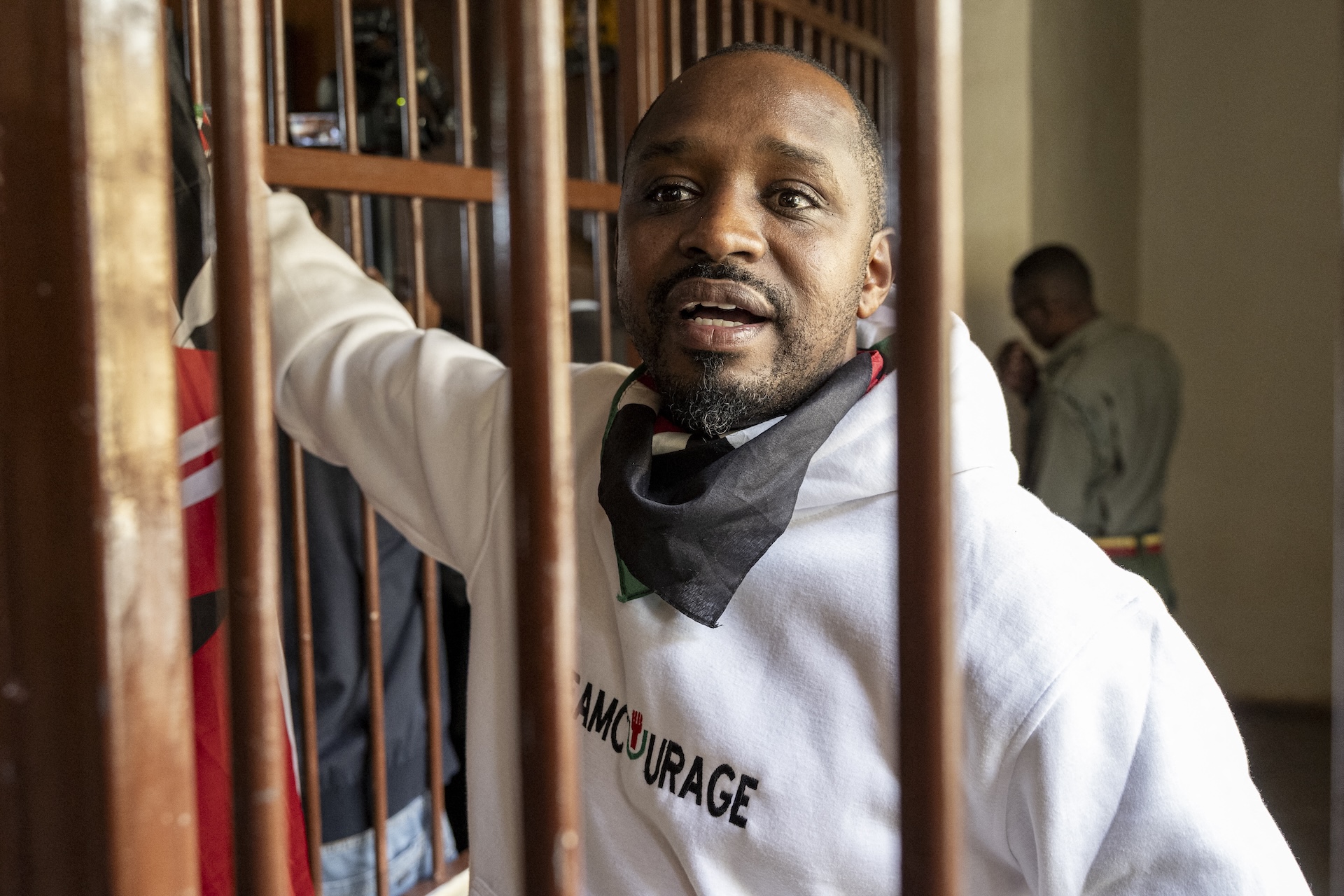
Forensic evidence suggests Kenyan authorities may have used Cellebrite’s phone-cracking technology on the device of a prominent human rights activist, Boniface Mwangi, following his arrest in July. The findings, detailed in a report by the University of Toronto’s Citizen Lab, point to a potential misuse of data extraction tools. Mwangi’s arrest occurred amid widespread protests, and he later reported his personal phone was accessible without a password.
After the incident, Mwangi provided his smartphone to Citizen Lab for a detailed forensic analysis. The research group discovered traces indicating the deployment of Cellebrite’s technology, commonly used for accessing and extracting data from mobile devices. This alleged use of sophisticated surveillance tools on an activist raises concerns about the broader implications for privacy and freedom of expression in Kenya.
Cellebrite Technology and Potential Misuse Claims
Citizen Lab’s report indicates that such intrusions are becoming more frequent and highlight a growing problem of abuse. Boniface Mwangi described a profound sense of violation, noting that his phone contained personal communications, family photographs, and details about his presidential campaign, which he announced in August. The breach intensified his feelings of vulnerability, even for someone with a history of activism and facing potential state repercussions.
The organization contends that Cellebrite’s existing safeguards, including an ethics committee, are insufficient to prevent such incidents. John Scott-Railton, a senior researcher at Citizen Lab, stated that the current vetting procedures and the effectiveness of Cellebrite’s ethics committee are questionable. He called for greater transparency and accountability from the company regarding how its technology is used globally, especially when sold to entities with a history of rights abuses.
Concerns Over Global Data Extraction Tools
The use of Cellebrite’s technology is not limited to Kenya; other government agencies, including U.S. Immigration and Customs Enforcement, also utilize their products. The report from Citizen Lab suggests a systemic issue where advanced digital forensics tools, intended for law enforcement, may be leveraged against activists, journalists, and dissidents.
Cellebrite, in response to inquiries from other media outlets, stated that it has a rigorous process for investigating allegations of technology misuse. A company spokesperson, Victor Cooper, indicated that credible, evidence-based concerns shared directly with their team trigger thorough investigations and decisive actions, potentially including the termination of licenses. However, the company noted it does not respond to speculation and encourages direct reporting of concerns.
The spokesperson also affirmed that Cellebrite operates under stringent compliance and ethics frameworks, expressing confidence in their vetting procedures and enforcement record. Meanwhile, representatives for the Kenyan government and its embassy in Washington, D.C., did not immediately respond to requests for comment on the Citizen Lab report and the specific allegations made.
Next Steps and Uncertainties
The findings by Citizen Lab are likely to fuel further scrutiny of international technology transfer practices and the responsible use of surveillance tools by governments. The next steps may involve formal investigations by international bodies or increased pressure on Cellebrite to declassify more information about its vetting processes and enforcement actions. The full extent of the alleged data extraction from Mwangi’s device and the implications for future cases remain subjects of ongoing concern and observation.