


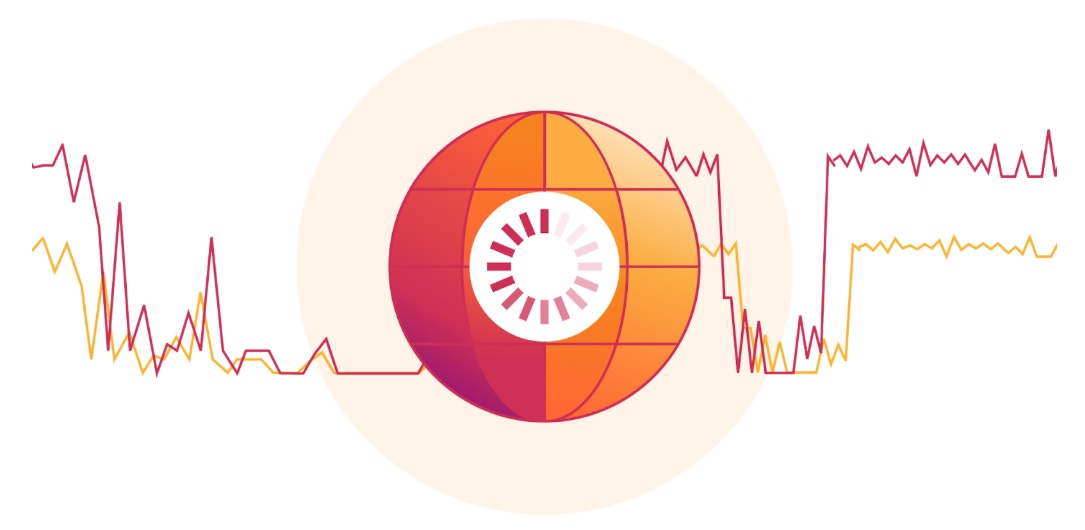
A new report from Cloudflare highlights the extensive nature of global internet disruptions in the final quarter of 2025, detailing how cable cuts, severe weather, and technical failures impacted connectivity worldwide. The analysis underscores the fragility of internet infrastructure and its susceptibility to various physical and technical challenges.
Cloudflare documented over 180 distinct internet disruptions throughout 2025, with the reported period showcasing a range of incidents from minor service interruptions to prolonged, widespread outages. The company’s findings are derived from real-time traffic data observed across its extensive global network, providing a comprehensive overview of the issues faced by internet users.
Understanding the Scope of Global Internet Disruptions
The report, authored by David Belson, Head of Data Insight at Cloudflare, analyzes traffic patterns to identify and categorize instances impacting internet access. While government-imposed shutdowns were infrequent during the latter part of the year, the report emphasizes that damage to physical infrastructure remains a principal cause of connectivity problems.
Infrastructure Failures Drive Outages
Cable cuts represent a recurring issue, as seen in Haiti where Digicel experienced significant outages following damage to its international fiber-optic cables. Similarly, Pakistan faced disruptions to its internet services when the PEACE submarine cable in the Red Sea was damaged, affecting major providers like Cybernet and StormFiber.
The West Africa Cable System also experienced issues that affected connectivity in Cameroon and potentially neighboring countries, illustrating the region’s reliance on a limited number of undersea cables for stable internet access. These incidents highlight how a single point of failure can have cascading effects across vast geographical areas.
In the Dominican Republic, multiple disruptions occurred, including fiber-optic outages affecting a key provider. A separate, nationwide power failure also led to a substantial decrease in internet traffic, with services only fully recovering after electricity was restored. Kenya also experienced a similar scenario, where a power grid fault caused a blackout that disrupted internet services for several hours, despite electricity being restored relatively quickly.
Extreme weather events also played a significant role. Hurricane Melissa caused considerable damage in Jamaica, leading to a substantial reduction in internet traffic. In Sri Lanka and Indonesia, Cyclone Senyar resulted in severe flooding and landslides, damaging power and telecommunication infrastructure and causing widespread connectivity losses.
Technical Faults and Cloud Service Incidents
Beyond physical damage, technical faults and system failures contributed to numerous outages. In Indonesia, Smartfren customers experienced an outage with a significant impact on traffic, the cause of which was not publicly disclosed. In the UK, Vodafone experienced a brief but total nationwide internet outage lasting approximately two hours.
Similar technical issues were reported in Europe and the Middle East, including a DNS problem affecting Fastweb customers in Italy. In Israel, separate incidents at Cellcom and Partner Communications, potentially involving DNS failures, led to substantial drops in internet traffic.
The report also details incidents affecting major cloud platforms such as Amazon Web Services, Microsoft Azure, and Cloudflare itself. These disruptions, though often brief, impacted the availability and performance of numerous websites and applications, leading to increased error rates and connection times for users.
Cloudflare suggests that the findings underscore the critical need for real-time data and transparency in managing internet disruptions. Prompt and accurate information allows network operators and the broader technical community to respond more effectively, thereby minimizing the impact on end-users and businesses.
The company plans to continue monitoring internet infrastructure and will release future reports to track emerging trends and challenges. The next steps will involve ongoing analysis of traffic patterns and collaboration with industry partners to promote greater resilience in global internet connectivity.