


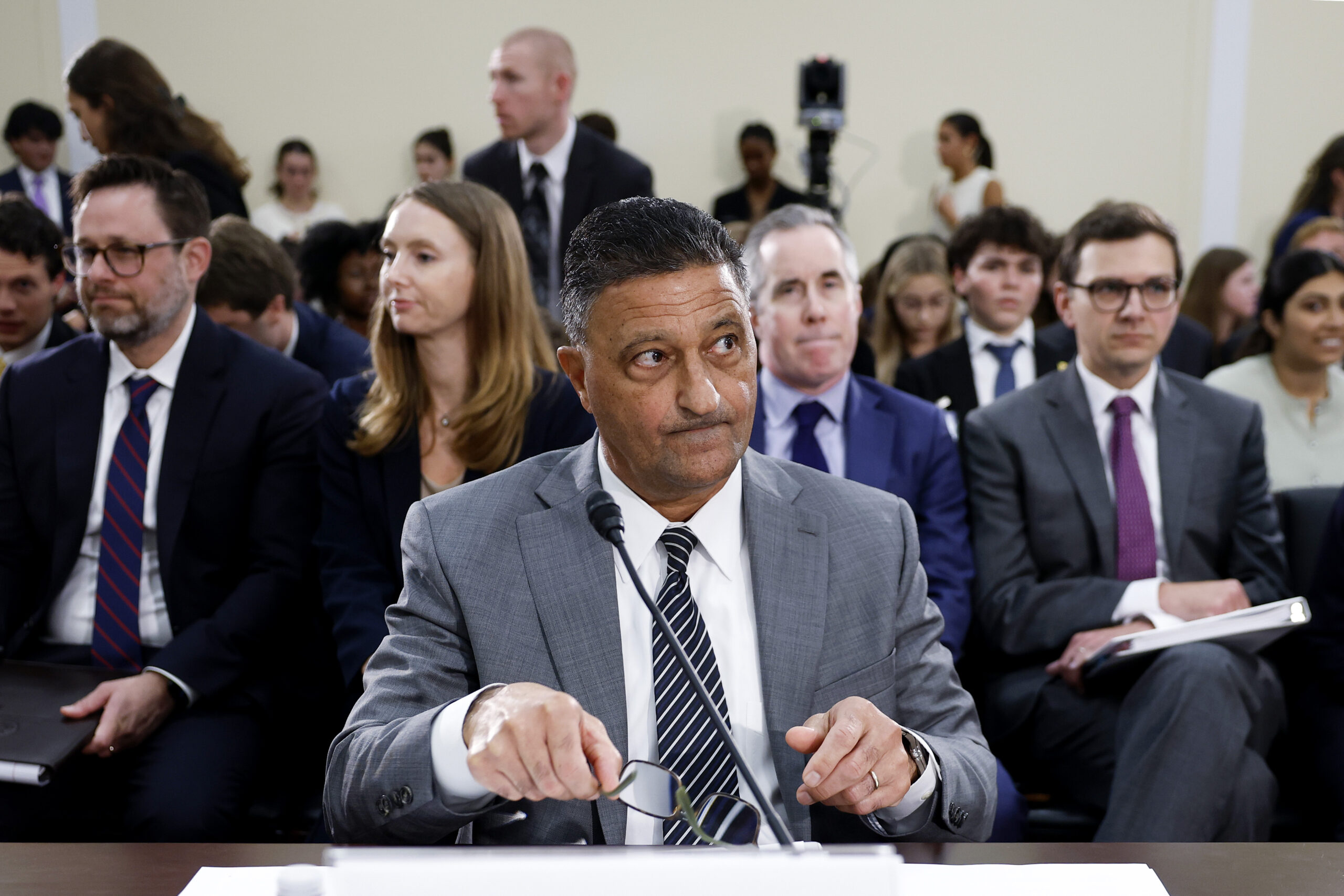
The Department of Homeland Security’s internal watchdog office has initiated an audit into the agency’s privacy practices, focusing on concerns that DHS and its components may be broadly collecting data and infringing on civil liberties through the use of facial recognition and other technologies. This audit began on February 4th, as detailed in a letter from DHS Inspector General Joseph Cuffari.
The audit’s objective, as stated by Inspector General Cuffari, is to evaluate how the Department of Homeland Security and its various components gather personally identifiable information (PII) and biometric data for immigration enforcement. It will also examine the extent to which this collected data is managed, shared, and secured in compliance with applicable laws, regulations, and departmental policies. The probe was prompted, in part, by calls from lawmakers concerned about the agency’s data handling.
DHS Privacy Practices Under Scrutiny
The DHS Inspector General’s office confirmed that the initial stages of this audit will concentrate on the activities of Immigration and Customs Enforcement (ICE) and the Office of Biometric Identity Management (OBIM). A spokesperson for the IG office indicated that other departmental components could be included as the audit progresses.
ICE has been a focal point regarding the expansion of data collection efforts by the current administration. The agency, alongside Customs and Border Protection officers, has been instrumental in developing a substantial facial recognition database. This database is reportedly used to identify individuals connected to immigration enforcement, as well as protestors and legal observers.
Biometric Data Collection and Management
The Office of Biometric Identity Management (OBIM) plays a key role in overseeing these extensive biometric databases. OBIM is responsible for the management, storage, and analysis of a wide array of identifying information on Americans, including photographs, fingerprints, iris scans, and license plate numbers.
This examination by the Inspector General’s office is a response to a January 29th letter from Senators Mark Warner and Tim Kaine, who urged an investigation into “immigration procurement activities” within DHS. The senators expressed concerns about potential violations of constitutional rights and privacy laws affecting U.S. citizens. Their letter highlighted issues such as the widespread collection and storage of facial recognition and license plate data.
Additionally, the senators raised concerns about the expansion of the types and quantities of biometric data collected by U.S. Citizenship and Immigration Services. They also pointed to the hiring of contractors tasked with conducting social media surveillance to build profiles of individuals for immigration enforcement purposes.
“The [DHS’] proven ambivalence toward observing and upholding constitutionally-guaranteed freedoms of Americans and noncitizens… leaves us with little confidence that these new and powerful tools are being used responsibly,” the senators stated in their letter. They requested a detailed briefing on how DHS has altered its data privacy practices and its methods for storing and using personally identifying information.
The senators also asked the IG’s office to investigate how DHS and ICE ensure their operations comply with the Constitution, how biometric and other personal data is used in detentions, and whether the agencies have information-sharing agreements with social media companies or obtain data from third-party brokers. The audit is expected to provide clarity on these significant privacy concerns.
The Inspector General’s office is anticipated to provide updates on its findings as the audit progresses. The timeline for the completion of the audit and the release of its full report remains undetermined. The findings will be closely watched for their implications on the DHS’s data collection and privacy policies.