


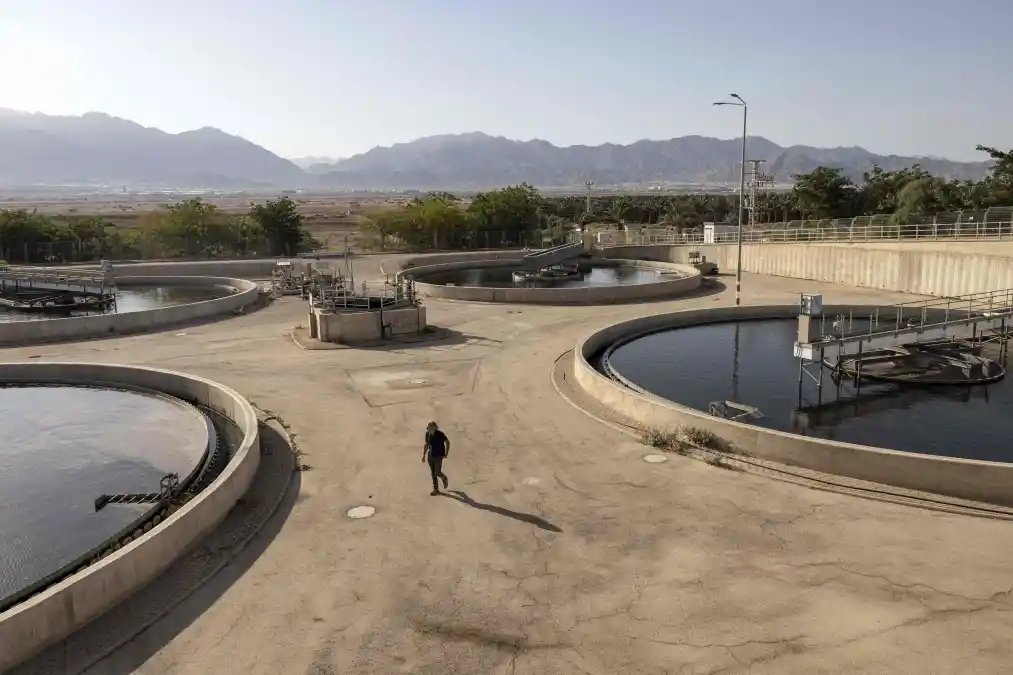
Reports of a new malware called ZionSiphon, designed to target Israeli water infrastructure, have been largely dismissed as overblown by cybersecurity analysts. The malware, initially identified by Darktrace and analyzed by industrial cybersecurity firm Dragos, was claimed to be capable of sabotaging water treatment plants by altering chlorine levels or poisoning supplies.
Despite initial alerts, technical analysis from Dragos suggests ZionSiphon is non-functional and poses no threat to operational technology (OT) environments. The cybersecurity firm’s experts stated that the malware contains fundamental coding errors and a lack of understanding of industrial control systems (ICS), rendering it inoperable. This assessment contradicts earlier claims regarding its potential impact.
ZionSiphon Malware Lacks Real-World Threat to Water Sector
The ZionSiphon malware emerged with claims of targeting Israel’s water sector, with Darktrace reporting its design to compromise operational technology in treatment and desalination plants. Embedded strings within the malware code allegedly included politically charged messages and references to Israeli water components, aiming to disrupt chlorine levels and contaminate water supplies.
However, Dragos technical lead malware analyst Jimmy Wyles described the ZionSiphon malware as mere “hype,” asserting it presents no actual danger to water facilities. Wyles pointed to significant flaws in the code, indicating the developers possessed minimal knowledge of OT operations in Israeli water plants. The report from Dragos highlighted that the code was broken and demonstrated little to no understanding of dam desalination or ICS protocols.
AI-Generated Code Leads to Inoperable Malware
Further examination of ZionSiphon revealed that artificial intelligence was likely used in its creation, contributing to numerous errors and “hallucinations.” Dragos noted that Windows process names and directory paths intended to confirm water desalination targets were filled with fabricated entries, likely generated by large language models (LLMs). Similarly, configuration files purportedly meant to manipulate chlorine levels were found to be fake.
Darktrace’s own analysis acknowledged that the tested malware sample appeared dysfunctional, citing an inaccurate country targeting configuration. Even if corrected, Wyles argued that the malware would remain inoperable due to pervasive logic errors and invalid assumptions throughout the codebase. Issues were also noted in its USB infection and self-destruction capabilities.
The ZionSiphon incident highlights a broader debate within the cybersecurity community regarding the allocation of resources and attention towards novel threats like AI-enabled hacking versus established attack vectors. Operational technology, which governs industrial machinery in sectors like water and power, presents a unique challenge for both defenders and attackers due to its specialized nature.
Dragos estimates that fewer than 10 malware samples are publicly known to be capable of threatening industrial control systems, and ZionSiphon is not among them. Wyles criticized the initial framing of the threat by some intelligence firms and media, stating it was overblown and could divert crucial cybersecurity resources from more significant dangers.
He specifically mentioned groups like Volt Typhoon, a China-backed hacking collective, as a more pressing concern due to their demonstrated history of intrusions into critical infrastructure. Wyles emphasized that security professionals responsible for protecting water treatment facilities and other vital assets have limited resources, and focusing on ZionSiphon potentially detracts from addressing groups like Volt Typhoon.
The next steps expected in this situation involve continued scrutiny of emerging malware threats and a focus on distinguishing between theoretical capabilities and actual operational risks. The cybersecurity community will be closely watching how threat intelligence is disseminated and how defenders prioritize their efforts in light of both advanced AI capabilities and persistent state-sponsored actors.