


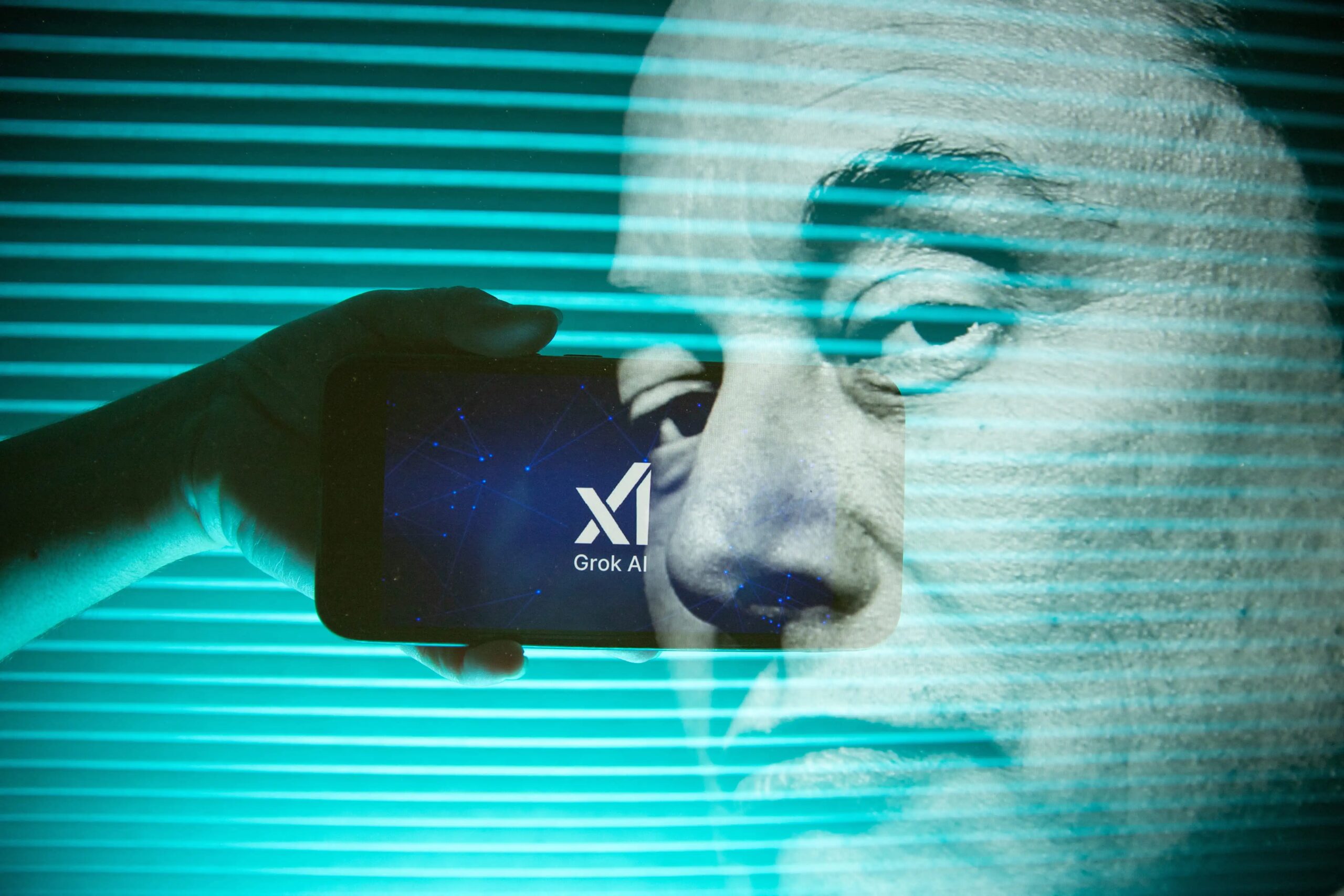
Concerns are mounting over online platforms allowing the generation and dissemination of nonconsensual sexualized deepfakes, with many questioning why X owner Elon Musk is not being compelled by regulators or law enforcement to halt such practices. The proliferation of these AI-generated images, particularly those created using X’s GrokAI tool, has sparked widespread outrage and a demand for accountability.
Legal experts suggest that existing federal laws and regulations could potentially expose Musk and X to significant legal repercussions, including substantial fines, civil litigation, and even criminal prosecution. The emerging nature of AI technology, however, presents challenges in applying current legal frameworks, leaving considerable ambiguity regarding enforcement decisions and the full extent of potential actions.
Legal Scrutiny and the Take It Down Act
Legislation such as the Take It Down Act, introduced last year by Senators Amy Klobuchar and Ted Cruz, aims to address the issue by criminally prosecuting individuals who share sexualized AI-generated images and mandating platforms to remove such content within 48 hours of notification. Senator Klobuchar has publicly stated that the law will be enforced, emphasizing that no one should have to endure AI-created sexual images of themselves online, especially children.
Challenges in Enforcement
However, the application of the Take It Down Act to the current situation on X faces several hurdles. The law’s takedown provisions will not become effective until May, and while criminal penalties are active, they currently target individuals generating the images, not the platforms or their owners. Furthermore, the Act’s specific legal definitions, such as what constitutes an “intimate visual depiction,” may make it difficult to prosecute certain types of images generated by Grok, particularly those where individuals are depicted in suggestive but not explicitly nude or fluid-covered states.
Victims may seek recourse under other sections of the law that prohibit digital forgeries, but the U.S. Sentencing Commission is still working to establish clear guidelines for penalties. Legal experts note that while the most egregious violations, like child sexual abuse material (CSAM), would likely be covered, other instances might be harder to prosecute under the current statutory language.
Section 230 and Platform Liability
Beyond the Take It Down Act, legal scholars are examining whether X’s conduct could be challenged under Section 230 of the Communications Decency Act. This section typically shields social media platforms from liability for user-generated content. However, arguments are being made that X itself may hold direct culpability because Grok is an integrated company feature inherently involved in the image creation process, rather than merely hosting third-party content.
The creation of images by Grok at the behest of a user could be interpreted as X playing a role in the development of the content, potentially circumventing the protections offered by Section 230. Some analyses also suggest that political considerations could influence the extent of federal enforcement against X and its owner.
State-Level Actions and Future Outlook
While federal enforcement faces complexities, state attorneys general are expected to play a significant role. Many states have existing laws against CSAM and digital forgery, and AGs are likely to aggressively pursue violations and explore “logical extensions” of these laws to encompass AI-generated imagery on platforms like X. Given the public outcry, state officials may feel pressure to act decisively to address these concerns.
The implications for platform safety and the potential for such technologies to be exploited for harmful purposes remain a significant point of discussion. The next steps will likely involve further legal challenges, potential regulatory guidance, and the ongoing debate surrounding the responsible development and deployment of artificial intelligence. It is uncertain how quickly or aggressively federal and state agencies will pursue action against X and Musk, or how the existing legal frameworks will be adapted to address the evolving landscape of AI-generated content.