


A critical security vulnerability discovered in EngageSDK, a widely used Android library, has exposed an estimated 30 million users of cryptocurrency wallets to potential financial theft and data breaches. The flaw, identified as an intent redirection flaw, allowed malicious applications to bypass Android’s security measures and access sensitive user data stored by legitimate applications, including cryptocurrency wallets.
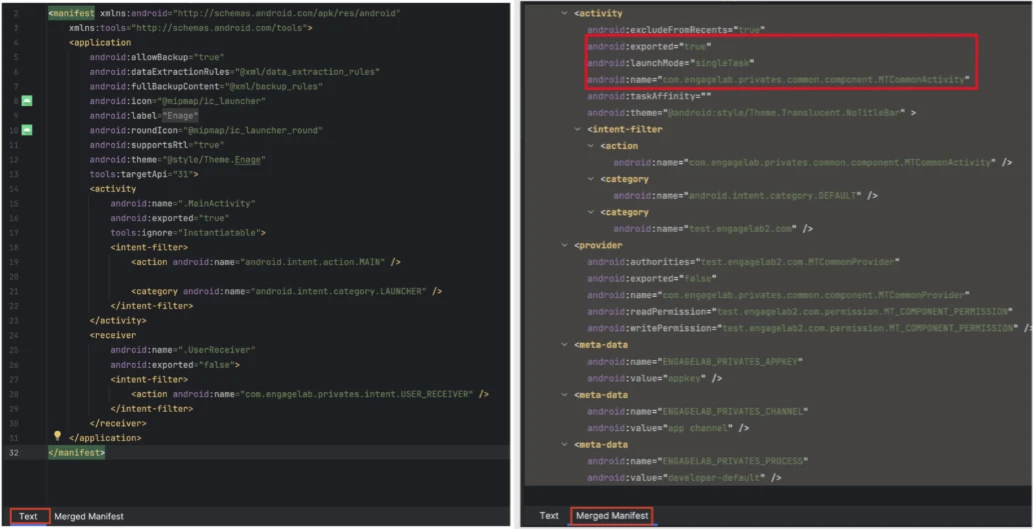
The EngageSDK, developed by EngageLab, is a third-party software development kit (SDK) commonly integrated by developers to add push notifications and real-time messaging to their Android applications. Its pervasive use means that a single vulnerability within the SDK can affect a vast number of applications simultaneously. The Microsoft Defender Security Research Team identified the vulnerability, noting its presence within an exported activity named MTCommonActivity. This activity is automatically merged into an app’s manifest during the build process, often goes unnoticed by developers, and can be accessed by any other application running on the same device.
The repercussions of this security flaw are significant, particularly for cryptocurrency users, as these applications typically hold valuable digital assets. The total number of affected installations, when considering all apps utilizing the SDK, exceeds 50 million. While all identified vulnerable applications have been removed from the Google Play Store, there is currently no confirmed evidence that the EngageSDK vulnerability has been actively exploited in the wild.
Understanding the EngageSDK Vulnerability and Its Impact
The vulnerability was first detected in EngageSDK version 4.5.4 in April 2025. Microsoft reported the issue to EngageLab through Coordinated Vulnerability Disclosure (CVD) practices. Following an escalation to the Android Security Team in May 2025, EngageLab released version 5.2.1 on November 3, 2025, which addressed the exposure by setting the compromised activity to a non-exported state.
The core of the security defect lies in how EngageSDK handles inter-app communication, specifically through Android Intents. Intents are fundamental to Android for app communication, enabling them to request actions from each other or from system services. In this instance, a malicious application could exploit the EngageSDK’s handling of intents to send specifically crafted data to the vulnerable MTCommonActivity. This activity, in turn, would process the incoming data and pass it to another method, processPlatformMessage().
Within processPlatformMessage(), a field named n_intent_uri was extracted. This data was then used to construct a new intent, which was subsequently launched using the privileges of the trusted application where the SDK was integrated. Crucially, the SDK utilized the URI_ALLOW_UNSAFE flag. This flag allowed the malicious input to include read and write permission flags, granting persistent access to the target app’s private storage. Consequently, sensitive information such as wallet credentials, private keys, and financial data could be silently exfiltrated by an attacker without the user’s knowledge.
The extent of the potential exposure highlights the critical nature of this EngageSDK vulnerability. Cryptocurrency wallet applications alone account for over 30 million installations, and when combined with other applications that use the SDK, the total number of affected devices rises sharply. This underscores the interconnected risk posed by third-party libraries in the software development ecosystem.
Mitigation and Future Prevention Strategies
Developers who have integrated EngageSDK into their applications are strongly advised to update to version 5.2.1 or a later release immediately. Following every project build, developers should meticulously review the merged Android manifest file. This practice should include checking for any newly exported activities or unexpected permissions that may have been introduced by third-party libraries. It is also recommended to implement rigorous validation checks for any intent data received from external sources before processing it.
While affected users are now protected by automatic mitigations deployed by Android targeting this specific flaw, the responsibility for updating applications rests with the developers. Security researchers emphasize the importance of vigilant code review and dependency management to prevent similar vulnerabilities from impacting users in the future. The continuous evolution of mobile application security requires ongoing attention to the integrity of the entire software supply chain, from SDKs to the final deployed application.