


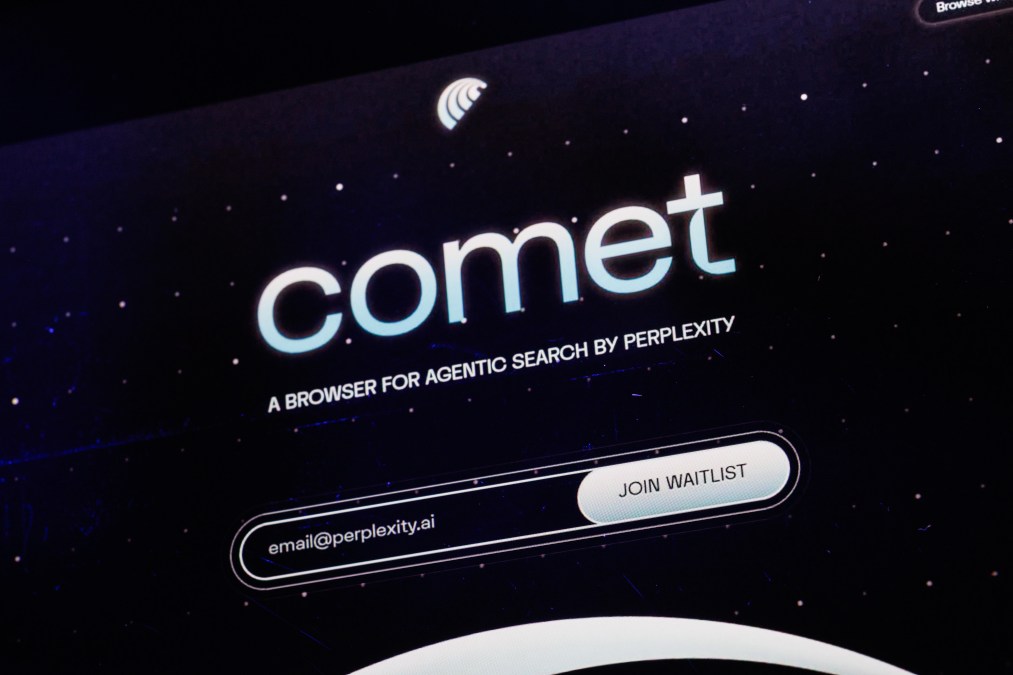
A federal judge has halted Perplexity AI’s Comet browser from unauthorized access and purchases via user Amazon accounts. The decision comes as part of a preliminary injunction granted to Amazon, which alleges Perplexity’s actions violate computer fraud laws.
The injunction, issued on March 9 by Judge Maxine Chesney of the U.S. District Court for the Northern District of California, permits Amazon to likely succeed on the merits of its claims. This ruling is a significant development in the ongoing legal battle over the capabilities and boundaries of commercial AI agents interacting with online platforms.
Perplexity AI Barred from Amazon Account Access
Judge Chesney’s order mandates that Perplexity must prevent its Comet browser from accessing, attempting to access, or facilitating access to user accounts on Amazon. The ruling requires Perplexity to delete all Amazon account and customer data it has collected to date. This action follows Amazon’s assertion that Perplexity’s AI agents access user accounts without proper authorization.
Perplexity had argued that its AI agents were acting legally because users had authorized them to make purchases. However, Amazon contends that these agents make errors and can create cybersecurity risks for users, in addition to disrupting its systems. The court found evidence supporting Amazon’s claim that Perplexity accesses password-protected accounts without Amazon’s permission.
Legal Basis for the Injunction
Amazon’s lawsuit cites violations of the Computer Fraud and Abuse Act (CFAA) and the Comprehensive Computer Data Access and Fraud Act. The company stated that the costs incurred, including employee time to develop tools to block Comet, exceed the $5,000 threshold required for computer fraud claims.
According to court documents, Amazon has repeatedly demanded Perplexity cease its AI agents’ covert access to the Amazon platform. In a letter dated October 31, 2025, Amazon’s legal counsel alleged that automated purchases facilitated by Perplexity degrade the customer shopping experience.
Allegations of Concealed AI Activity
Amazon requires AI agents to identify themselves when operating on its e-commerce platform. However, the tech giant claims Perplexity executives have intentionally concealed their agents’ activities. This includes configuring software to masquerade as human traffic, thereby evading detection and Amazon’s monitoring protocols.
Such transparency, Amazon argues, is crucial for protecting service providers’ ability to monitor AI agents and restrict activities that harm the customer experience, erode trust, and compromise data security. The potential for cybersecurity vulnerabilities exploited by bad actors to hijack AI browsers like Comet further raises concerns.
Implications for AI Agents and User Data
The court’s decision to grant the preliminary injunction suggests a recognition of potential irreparable harm to Amazon if Perplexity continues its challenged conduct. Perplexity had argued that halting its AI’s activities would harm public interest by limiting consumer choice and innovation. However, Judge Chesney sided with Amazon, emphasizing the public interest in protecting computers from unauthorized access.
This case could set a precedent for how commercial AI agent tools are developed and operate, particularly concerning their ability to act autonomously on behalf of users. The core of the dispute lies in the differing interpretations of user authorization versus platform authorization for AI actions.
Perplexity did not immediately respond to a request for comment on the ruling.
The next steps in the legal process will likely involve further proceedings to determine the full scope of Perplexity’s liability and potential damages. The outcome will be closely watched for its impact on the future development and deployment of AI agents in commercial online spaces.