



A sophisticated cyberattack known as GlassWorm has infiltrated popular extensions hosted on the Open VSX Registry, transforming them into vehicles for malware distribution. Threat actors successfully compromised a trusted publisher account, using it to push malicious updates disguised as routine releases. These compromised extensions, downloaded by over 22,000 developers, targeted widely used tools for file synchronization, internationalization, mind mapping, and CSS workflows. Analysts at Socket.dev have identified this as a developer-focused supply chain attack, likely initiated by leaked publishing tokens or unauthorized access to the “oorzc” publisher account. The campaign highlights a significant escalation in attacker tactics, moving beyond simple imitation to embedding malware within legitimate, established software components.
The implications of this GlassWorm attack are far-reaching, particularly for developers who rely on the Open VSX Registry for their development tools. The attack successfully leveraged the trust developers place in widely adopted extensions, turning a common development practice into a potential security vulnerability. The extent of the compromise and the data targeted, especially on macOS systems, raises serious concerns about the security of developer credentials and the potential for downstream abuse of accessed systems.
GlassWorm Escalates Tradecraft with Supply Chain Compromise
GlassWorm, a known threat actor, has demonstrated a significant evolution in its attack methods with this recent campaign. Instead of creating fake or cloned projects to deceive users, the attackers infiltrated existing, long-standing extensions with a history of legitimate use. This approach makes the malware much harder to detect through superficial checks, as the compromised extensions appear to function as intended until the malicious payload is activated.
Socket.dev researchers highlighted that the primary focus of the GlassWorm malware in this campaign appears to be macOS systems. Once active, it targets sensitive data including browser information, cryptocurrency wallets, and critical developer materials. This includes valuable assets such as SSH keys, AWS credentials, and tokens for platforms like GitHub and npm. This targeted approach suggests a motive beyond simple data theft, aiming to gain deeper access into development pipelines and cloud environments.
From Simple Theft to Deep Supply Chain Access
The shift from direct data theft to deep supply chain access represents a critical escalation in the threat landscape. A single compromised developer machine, infected through these malicious extensions, can quickly become a launchpad for attackers to infiltrate cloud environments, CI/CD pipelines, and wider corporate networks. This move from individual system compromise to broader system access underscores the increasing sophistication of cyber threats targeting the software development ecosystem.
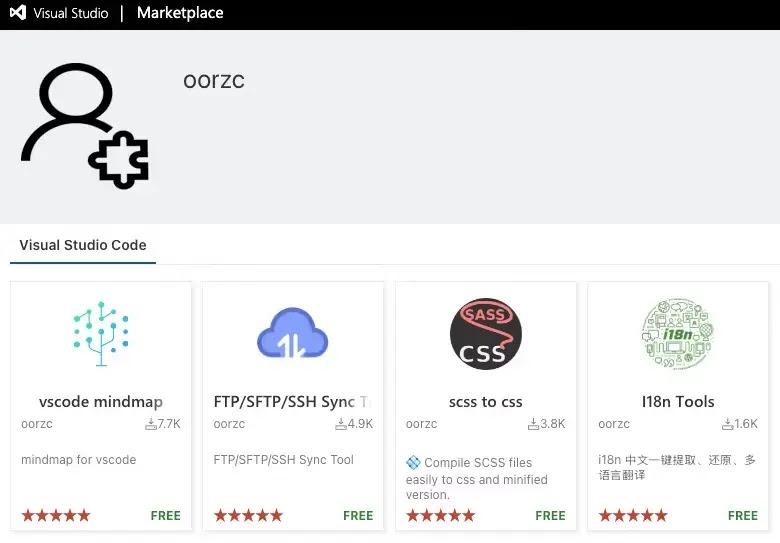
The compromised extensions were listed under the “oorzc” namespace on the Open VSX Registry and included tools such as “FTP/SFTP/SSH Sync Tool,” “I18n Tools,” “vscode mindmap,” and “scss to css.” At the time of the attack, these extensions appeared entirely benign, making them difficult for users to identify as malicious. This visual representation from Socket.dev emphasizes the challenge developers face in discerning between legitimate tools and those that have been subtly compromised.
The infection mechanism of GlassWorm involves a staged execution chain. The initial stage decrypts and executes an embedded payload. This payload then profiles the victim system, notably avoiding systems with Russian locales, and retrieves further commands from Solana transaction memos. A subsequent stage, specifically tailored for macOS, focuses on collecting credentials, keychains, and documents. This data is then compressed and exfiltrated to infrastructure controlled by the attackers. To ensure persistence, the malware establishes a LaunchAgent entry, allowing it to survive reboots and continue operating in the background.
The Open VSX security team has since confirmed the compromise, removed the malicious releases, and revoked the compromised publisher’s tokens. However, the duration of the exposure window raises significant questions about the security of publishing credentials and the potential for further downstream impact. Developers are advised to remain vigilant and ensure their development environments and all installed extensions are up-to-date with security patches. Monitoring network activity and credential usage can also help detect any unusual behavior stemming from potential past infections.
The incident serves as a stark reminder of the inherent risks associated with software supply chains. As threat actors continue to refine their techniques, the reliance on trusted third-party components, even those widely downloaded and seemingly legitimate, necessitates robust security practices. The focus now shifts to how the Open VSX Registry and the broader developer community will enhance their security protocols to prevent similar sophisticated attacks in the future.