


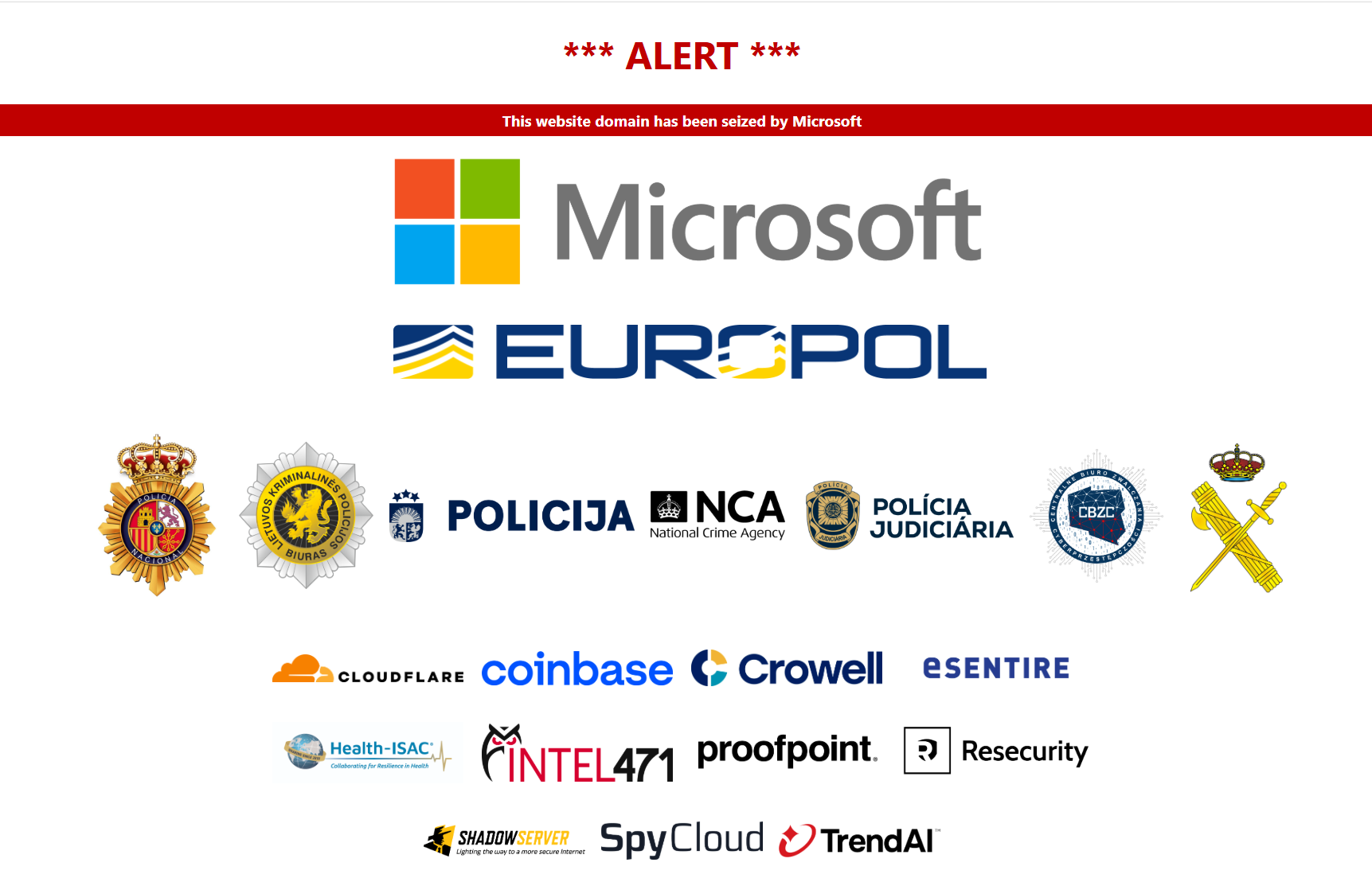
A significant global effort has successfully dismantled Tycoon 2FA, a sophisticated phishing platform that enabled cybercriminals to bypass multifactor authentication (MFA) and conduct large-scale adversary-in-the-middle attacks. Microsoft spearheaded the operation, collaborating with Europol and law enforcement from six countries, in addition to 11 cybersecurity firms. The operation seized 330 domains integral to Tycoon 2FA’s infrastructure, including its control panels and fraudulent login pages.
Launched in August 2023, Tycoon 2FA was instrumental in distributing tens of millions of phishing messages monthly to over 500,000 organizations worldwide. Thousands of cybercriminals utilized the platform to access email and online services such as Microsoft 365, Outlook, SharePoint, OneDrive, and Google services. Before its takedown, Tycoon 2FA accounted for approximately 62% of all phishing attempts blocked by Microsoft.
Dismantling the Tycoon 2FA Operation
The platform, developed and advertised by a group identified by Microsoft as Storm-1747, was accessible to cybercriminals via Telegram and Signal for a monthly fee of $350. Tycoon 2FA provided a centralized dashboard that simplified the process of configuring, tracking, and refining phishing campaigns.
According to Microsoft Threat Intelligence, the service was linked to an estimated 96,000 distinct phishing victims globally since 2023, with more than 55,000 being Microsoft customers. The platform offered pre-built templates, malicious attachment files, and facilitated domain and hosting configuration to enhance the effectiveness of phishing attacks.
Impact on Vulnerable Sectors
Organizations within the education and healthcare sectors were particularly hard-hit by phishing attempts facilitated by Tycoon 2FA. Health-ISAC, a co-plaintiff in a civil complaint filed in the U.S. District Court for the Southern District of New York, reported that over 100 of its members fell victim to these attacks.
In New York, incidents involving Tycoon 2FA led to operational disruptions and delayed patient care at hospitals and compromised operations at schools and universities. The civil complaint, filed by Microsoft and Health-ISAC against an alleged creator and associates, seeks a $10 million injunction and allowed for the seizure of Tycoon 2FA’s technical infrastructure.
The operation received assistance from authorities in Latvia, Lithuania, Portugal, Poland, Spain, and the United Kingdom. Cybersecurity partners including Cloudflare, Coinbase, eSentire, Intel 471, Proofpoint, Resecurity, Shadowserver, SpyCloud, and Trend Micro also played crucial roles.
Selena Larson, a staff threat researcher at Proofpoint, noted that Tycoon 2FA was responsible for the highest volume of adversary-in-the-middle phishing attacks observed by her organization. She anticipates a significant reduction in such attacks following this successful operation.
The ease of use and robust functionalities of Tycoon 2FA contributed to its widespread adoption. Researchers indicated that the platform’s codebase was regularly updated, and operators frequently rotated domains to evade detection, complicating efforts to block their campaigns.
This takedown follows a recent surge in crackdowns against cybercrime operations, including those targeting Racoon0365 and the Lumma Stealer infostealer, which impacted approximately 10 million systems. The future impact of this dismantling on the phishing-as-a-service market remains to be seen, though significant disruption is expected.