


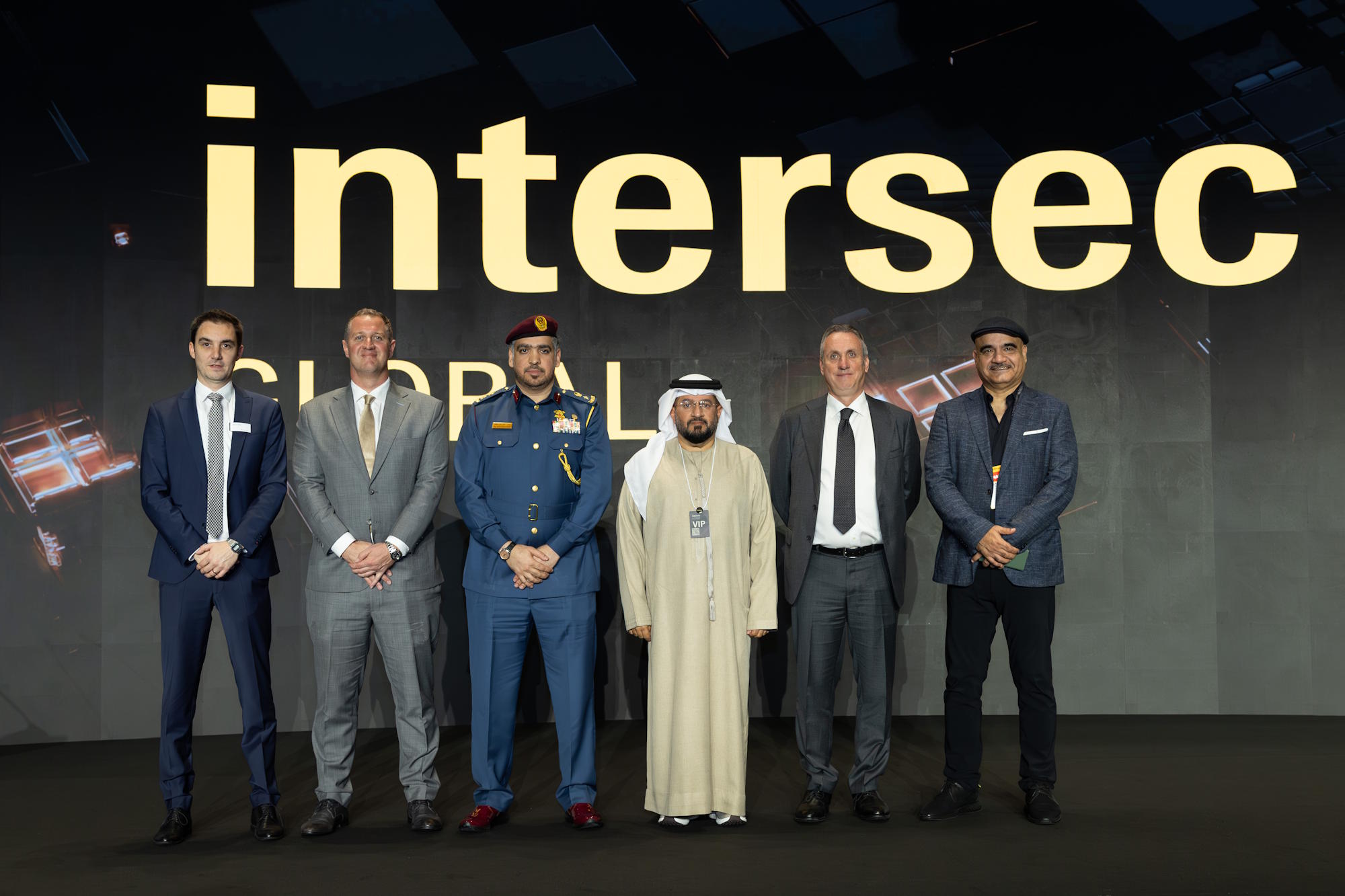
Intersec Dubai 2026, a leading international exhibition for security, safety, and fire protection, concluded its run at the Dubai World Trade Centre on January 15th. The event underscored the increasing integration of artificial intelligence and intelligent security technologies in the development of more secure and resilient urban environments, with a particular focus on government-led innovation. A significant development on the final day involved the formalization of a strategic partnership aimed at advancing future city concepts.
Messe Frankfurt Middle East, the organizers of Intersec, announced a Memorandum of Understanding (MoU) with UXE Security Solutions, designating the company as the Future Cities Partner for Intersec 2026. This collaboration highlights the event’s role as a global platform for cutting-edge security solutions and recognizes UXE’s contributions to smart city initiatives and government innovation programs within the UAE.
Intersec Dubai 2026: A Hub for Future City Solutions
As the Future Cities Partner, UXE Security Solutions was instrumental in fostering discussions surrounding intelligent urban planning, the security of critical infrastructure, and the implementation of digitally enhanced operational frameworks. The partnership aims to align with the growing trend of smart city development, where technology plays a pivotal role in improving safety and efficiency.
UXE Security Solutions and Government Initiatives
UXE’s involvement extends to managing key government-backed projects. Notably, the company oversees the technical execution of the Keyless Security Project. This initiative is designed to establish and enforce stricter security standards for Dubai’s rapidly growing holiday home rental sector, directly impacting the safety of both residents and tourists.
Dishan Isaac, Show Director of Intersec at Messe Frankfurt Middle East, emphasized the shared vision behind the partnership. “Appointing UXE as Future Cities Partner reflects our shared commitment to supporting government-led innovation and advancing the solutions that will define safer, smarter cities,” Isaac stated. He further noted that UXE’s expertise in access control, regulatory compliance, and engagement makes them a valuable collaborator as Intersec continues to champion forward-thinking security technologies.
The Growing Influence of Artificial Intelligence in Security
Artificial intelligence emerged as a dominant theme throughout the final day of Intersec Dubai 2026, particularly within the context of safety-critical operations. The Intersec Health & Safety Conference 2026 featured a prominent panel discussion involving senior government officials and industry experts who deliberated on the expanding application of AI in ensuring public safety.
Accountability and Trust in AI Systems
The panel, titled ‘AI & Safety 4.0: Rethinking Human Risk’, explored the transition of AI from experimental phases to practical, daily integration in operational environments. A recurring concern raised by the participants was the necessity of maintaining human accountability, even as AI systems take on more responsibilities. Dr. Waddah S. Ghanem Al Hashmi, Chairman of the Federal Committee for Occupational Safety and Health, articulated this point clearly: “We delegate responsibility, but we do not delegate accountability. In all cases, I delegated that responsibility, but I remain accountable. So, the employer, anybody who engages with AI or uses AI, continues to carry the accountability.”
Concerns were also voiced regarding the potential for over-reliance on AI. Panellists cited instances, such as in refinery operations, where the implementation of predictive AI tools led to a reduction in manual inspections. This shift, they cautioned, could inadvertently create new oversight gaps and blind spots within safety protocols.
Dr. Islam Adra, Vice President, HSE MENA & SCO at DP World, highlighted the challenge of trust in AI. “When you put ‘trust’ and ‘AI’ in the same sentence, it’s kind of an oxymoron. There’s a contradiction there, because AI has done a very good job building a [very] bad reputation. When we think of AI, especially in the workplace, we think of surveillance, we think of control, we think of monitoring, and even the replacement of workers,” he explained. The conference session was delivered in collaboration with the Institution of Occupational Safety and Health (IOSH).
Technological Showcases on the Exhibition Floor
Beyond policy discussions, the exhibition floor at Intersec Dubai 2026 served as a showcase for the latest advancements in intelligent surveillance and access control systems. Companies presented innovative solutions aimed at enhancing security in complex urban and industrial settings.
Axis Communications, for example, unveiled new and upcoming technologies tailored for challenging environments. Their presentations included advanced PTZ cameras, radar systems, and explosion-protected camera solutions. Meanwhile, HID showcased a comprehensive suite of identity management and physical access control technologies, ranging from biometric facial recognition and mobile credentials to robust cyber-secure access control infrastructure.
Gustavo Gassmann, Vice President of Emerging Markets for Physical Access Control at HID, commented on the regional adoption of these technologies. “The UAE and the wider GCC are at the forefront of adopting next-generation security technologies,” Gassmann stated. “Our presence at Intersec underscores HID’s long-term vision for the region: enabling organisations to strengthen security, improve resilience, and deliver seamless user experiences, while aligning with national digital transformation and cybersecurity ambitions.”
The successful conclusion of Intersec Dubai 2026 signals continued momentum in the security and safety sectors. Organizers will now focus on the next edition, with the Future Cities Partner designation likely to drive further innovation in smart urban development over the coming year. The ongoing dialogue surrounding AI accountability and human oversight will remain a critical area to monitor as these technologies become more integrated into public safety frameworks.