


Capitol Hill lawmakers are expressing concern and confusion over the lack of a clear stance from the Trump administration regarding the impending expiration of powerful U.S. government surveillance authorities known as Section 702. This uncertainty arises only three months before the critical authorities under the Foreign Intelligence Surveillance Act are set to expire at the end of April, prompting questions about national security priorities and legislative strategy.
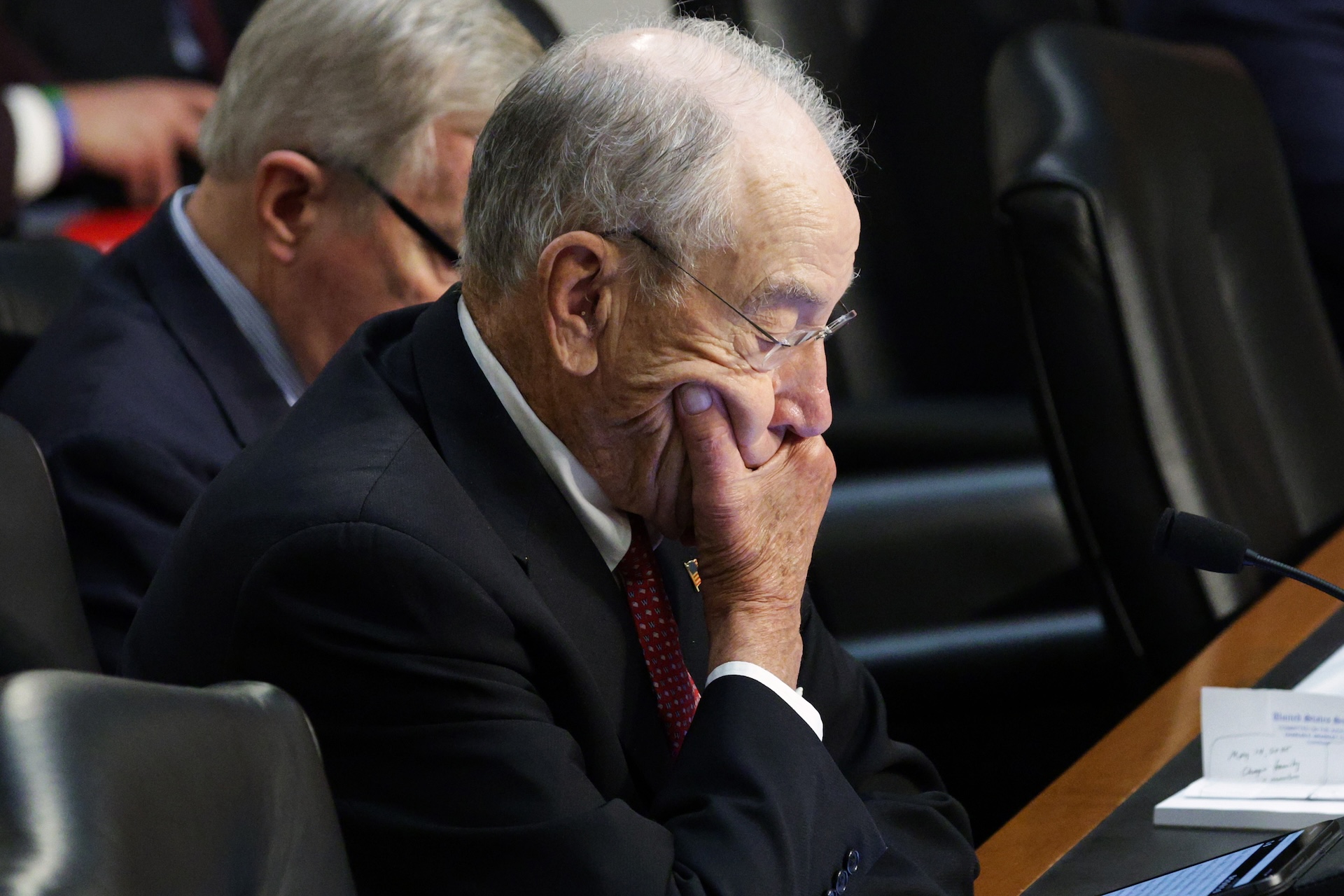
The Senate Judiciary Committee convened a hearing this week to examine the 2024 revisions to Section 702, which allows national security officials to query U.S. citizens’ communications with foreign targets without a warrant. Proponents assert that collected intelligence under this provision accounts for a substantial portion of information used in presidential briefings. However, the absence of any Trump administration witnesses at this hearing, and a similar recent House hearing, has drawn sharp criticism from members of both parties.
Trump Administration’s Silence on Section 702 Fuels Legislative Uncertainty
Sen. Chris Coons, D-Del., voiced his disappointment, stating he had hoped to hear from officials responsible for implementing the 2024 reforms to Section 702. He characterized the administration’s apparent lack of an official position on the matter as “stunning,” especially with the April deadline approaching rapidly.
The silence is particularly concerning given the history of Section 702 reauthorization debates. During previous renewal cycles, the Trump administration was reportedly more engaged in advocating for the program’s continuation. This year’s perceived reticence leaves lawmakers to navigate the complex legislative landscape without key administration input.
Past Engagement Contrasts With Current Lack of Stance
Sen. Dick Durbin, D-Ill., echoed Coons’s frustration, noting that when he led the committee, administration officials appeared before the panel with ample time before Section 702’s previous expiration. This proactive engagement facilitated early public discussions and strategic planning for reauthorization, a stark contrast to the current situation.
Chairman Chuck Grassley, R-Iowa, also highlighted concerns about the administration’s responsiveness, specifically mentioning a letter sent to former Attorney General Pam Bondi. Grassley stated that Congress has yet to receive a meaningful response regarding access to Foreign Intelligence Surveillance Court hearings, which are crucial for understanding the application of Section 702 authorities.
Congress Vows to Proceed Despite Administration’s Quiet
Grassley affirmed that Congress has a responsibility to consider reauthorizing Section 702, regardless of the administration’s current stance. He offered to arrange briefings for administration officials in either open or closed settings, emphasizing that the Senate Judiciary Committee intends to move forward with its legislative duties.
The quiet from the Trump administration on Section 702 has not gone unnoticed by experts and other lawmakers. Notably, former President Donald Trump has previously taken stances that have introduced significant uncertainty regarding the program’s future during renewal discussions.
When asked for comment, the National Security Agency referred inquiries about the administration’s views and congressional discussions to the Defense Department. Spokespeople from the Defense Department, the Office of the Director of National Intelligence, the FBI, the Justice Department, and the Central Intelligence Agency did not immediately respond to requests for comment.
The background of key figures also presents a mixed picture. Kash Patel, nominated to lead the FBI, has previously testified about the importance of Section 702 without warrant requirements. Meanwhile, current signals from figures like Director of National Intelligence Tulsi Gabbard, who had opposed renewal as a congresswoman, have been less clear since taking office.
As the April expiration date draws nearer, the legislative path for Section 702 remains unclear. The administration’s silence is a significant factor, and continued engagement from lawmakers and intelligence agencies will be crucial in determining the future of these surveillance powers. The lack of a defined policy could impact ongoing national security operations and debates over privacy and oversight.