


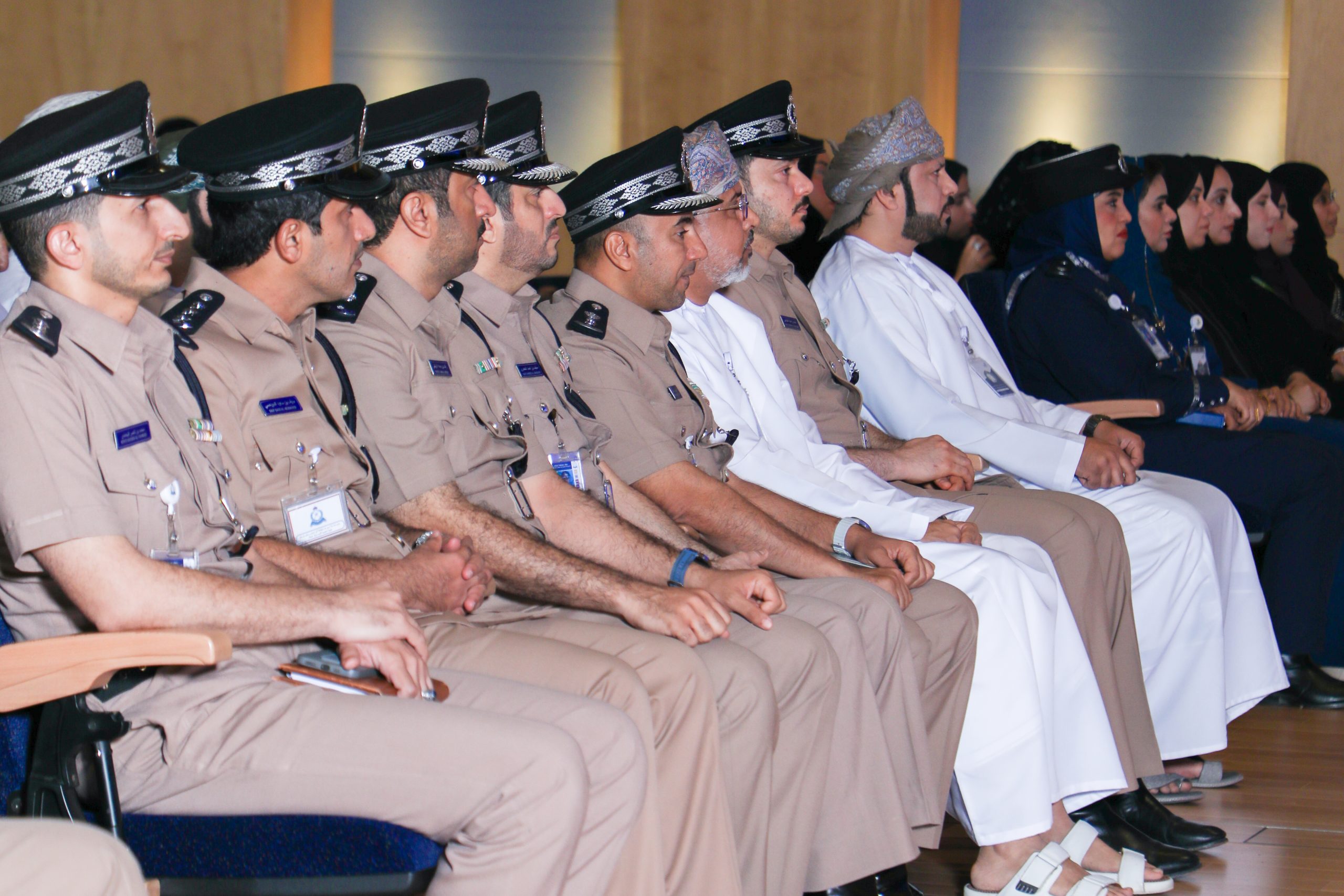
Muscat is significantly strengthening its cybersecurity defenses within the aviation sector through a new awareness campaign. This initiative aims to equip aviation professionals with the knowledge and tools to combat escalating cyber threats, ensuring the continued safety and integrity of air travel operations.
The comprehensive campaign targets various levels within the aviation industry, from ground staff to senior management, emphasizing the critical need for digital vigilance. By fostering a culture of cybersecurity awareness, Muscat seeks to mitigate risks and safeguard against potential disruptions.
Muscat Enhances Aviation Cybersecurity
A new cybersecurity awareness campaign has been officially launched in Muscat with the primary objective of bolstering the aviation sector’s defenses against increasingly sophisticated cyber threats. The campaign underscores the imperative of protecting critical aviation infrastructure, which if compromised, could lead to severe operational disruptions and jeopardize passenger safety.
This proactive initiative focuses on embedding fundamental cybersecurity principles across the aviation industry. It is designed to instill a sense of digital responsibility among all employees, ensuring a thorough understanding of safe practices essential for safeguarding sensitive data and operational systems.
The campaign recognizes the evolving technological landscape and highlights the importance of continuous education for both aviation personnel and the general public. It advocates for preventative strategies against cyberattacks and details secure protocols for data handling.
Key Components of the Campaign
The initiative includes specialized lectures and interactive workshops specifically tailored to build resilience within the aviation ecosystem. These sessions are crucial for disseminating best practices and fostering a shared understanding of cyber risks.
Collaboration is a cornerstone of this effort, with key stakeholders actively involved. These include the Civil Aviation Authority, the Directorate General of Airport Security, Oman Airports, national airline carriers, and various ground service providers. Their collective participation is vital to the campaign’s success.
Given the aviation sector’s pivotal role in economic development and global connectivity, prioritizing cybersecurity is no longer optional but a necessity. The campaign reflects this understanding by investing in robust protective measures.
As global incidents of cybercrime show a persistent upward trend, maintaining the security of civil aviation systems is paramount for ensuring flight safety and preserving public trust in air travel. Any breach could have far-reaching consequences.
The forward-looking aspect of this campaign suggests that the strategies and lessons learned will inform broader regional cybersecurity efforts, extending beyond aviation. By promoting knowledge exchange and shared best practices, the region aims to enhance its overall cyber resilience and secure its vital infrastructure for all parties involved.
As technology continues its deep integration into operational processes, the demand for effective cybersecurity measures will only intensify. The aviation sector, in particular, must adopt proactive and adaptive approaches to secure its digital future effectively.