


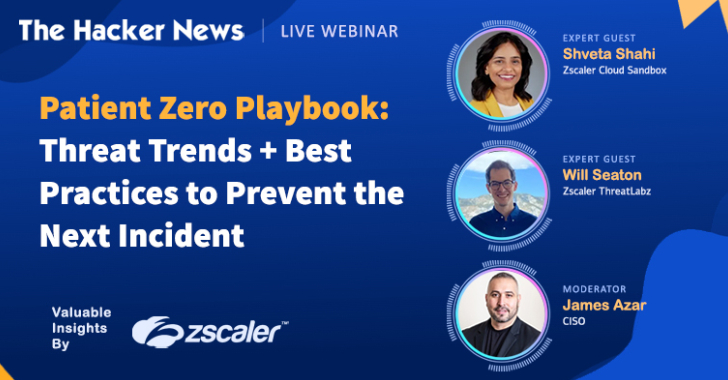
The current cybersecurity landscape in 2026 presents a formidable challenge where the human element remains the most vulnerable point of entry for attackers. Sophisticated tactics, particularly those leveraging artificial intelligence, are making initial compromises, often initiated by a single employee’s action, exceedingly difficult to detect with traditional security measures. This article explores the escalating threat of “Patient Zero” infections and the critical need for robust defense strategies in an AI-driven threat environment.
Navigating the AI-Powered “Patient Zero” Threat in Cybersecurity 2026
In the realm of cybersecurity in 2026, the “Patient Zero” phenomenon, where a single compromised device serves as the initial gateway for attackers, is being amplified by advanced artificial intelligence. This initial breach, often disguised as a seemingly innocuous email or link, can rapidly escalate into a full-blown corporate crisis. The core challenge lies not just in detecting these sophisticated initial attacks but in having a proactive plan to contain them before widespread damage occurs.
Understanding the concept of “Patient Zero” is crucial. Analogous to its medical counterpart, the cybersecurity “Patient Zero” is the first node in a network to be infected by malicious actors. Once inside, attackers aim to move laterally, seeking sensitive data, credentials, and critical backups. The speed at which this internal reconnaissance and exploitation occurs is a primary concern for information security professionals.
The evolution of phishing attacks necessitates a re-evaluation of existing defenses. Attackers are increasingly deploying generative AI to craft highly personalized and context-aware phishing emails that effectively bypass conventional security filters. These AI-driven campaigns can mimic legitimate communications with unprecedented accuracy, making human vigilance alone insufficient for detection. The integration of AI in threat detection is now paramount.
The critical timeframe following an initial compromise, often referred to as the “5-minute window,” is when the fate of a network’s security is often decided. During these initial moments, an attacker is typically probing for vulnerabilities and attempting to establish persistence. A swift and effective response during this period is paramount to preventing the infection from spreading and causing significant operational disruption or data loss. The ability to rapidly identify and contain a “Patient Zero” is a key indicator of an organization’s security posture.
Implementing a robust Zero Trust architecture is a vital strategy for mitigating the impact of a “Patient Zero” event. This security model operates on the principle of “never trust, always verify,” segmenting networks and enforcing strict access controls. In the event of an infection, Zero Trust principles enable the rapid isolation of the compromised device, effectively containing the threat and preventing it from reaching other critical systems or data repositories. This approach aims to limit the blast radius of any single breach.
A well-defined Recovery Blueprint is essential for organizations to effectively manage a “Patient Zero” incident. This blueprint should outline clear steps to be taken from the moment an infection is suspected, detailing procedures for investigation, containment, eradication, and recovery. Knowing precisely what actions to initiate upon realizing a “Patient Zero” has occurred can significantly reduce downtime and minimize potential financial and reputational damage. This includes having contingency plans for data restoration and system rebuilding.
The limitations of traditional security tools in combating modern, stealthy attacks are becoming increasingly apparent. While they excel at identifying known malware signatures, they often struggle to detect bespoke, custom-designed threats tailored to specific organizational environments. The reliance on signature-based detection can create blind spots for sophisticated adversaries who leverage AI to create constantly evolving attack vectors. Organizations must therefore invest in solutions that offer behavioral analysis and anomaly detection capabilities.
The webinar highlighted the critical need for security strategies that acknowledge the inevitability of human error. Instead of solely focusing on preventing initial clicks, organizations must build defenses that assume a click will occur and are designed to neutralize its impact immediately. This proactive stance, which includes continuous monitoring and rapid response, is essential to prevent a single compromised endpoint from spiraling into a costly, company-wide disaster. The focus shifts from complete prevention of initial access to effective containment and rapid recovery.
Looking ahead, organizations must prioritize continuous training for their employees on the latest social engineering tactics, especially those amplified by AI. Furthermore, an ongoing investment in advanced threat detection solutions that incorporate machine learning and behavioral analytics will be crucial. The effectiveness of future cybersecurity defenses will be measured by their ability to adapt to an AI-powered threat landscape and to swiftly contain and recover from compromise events, with the ongoing evolution of AI in both offensive and defensive capabilities remaining a key area to monitor.