


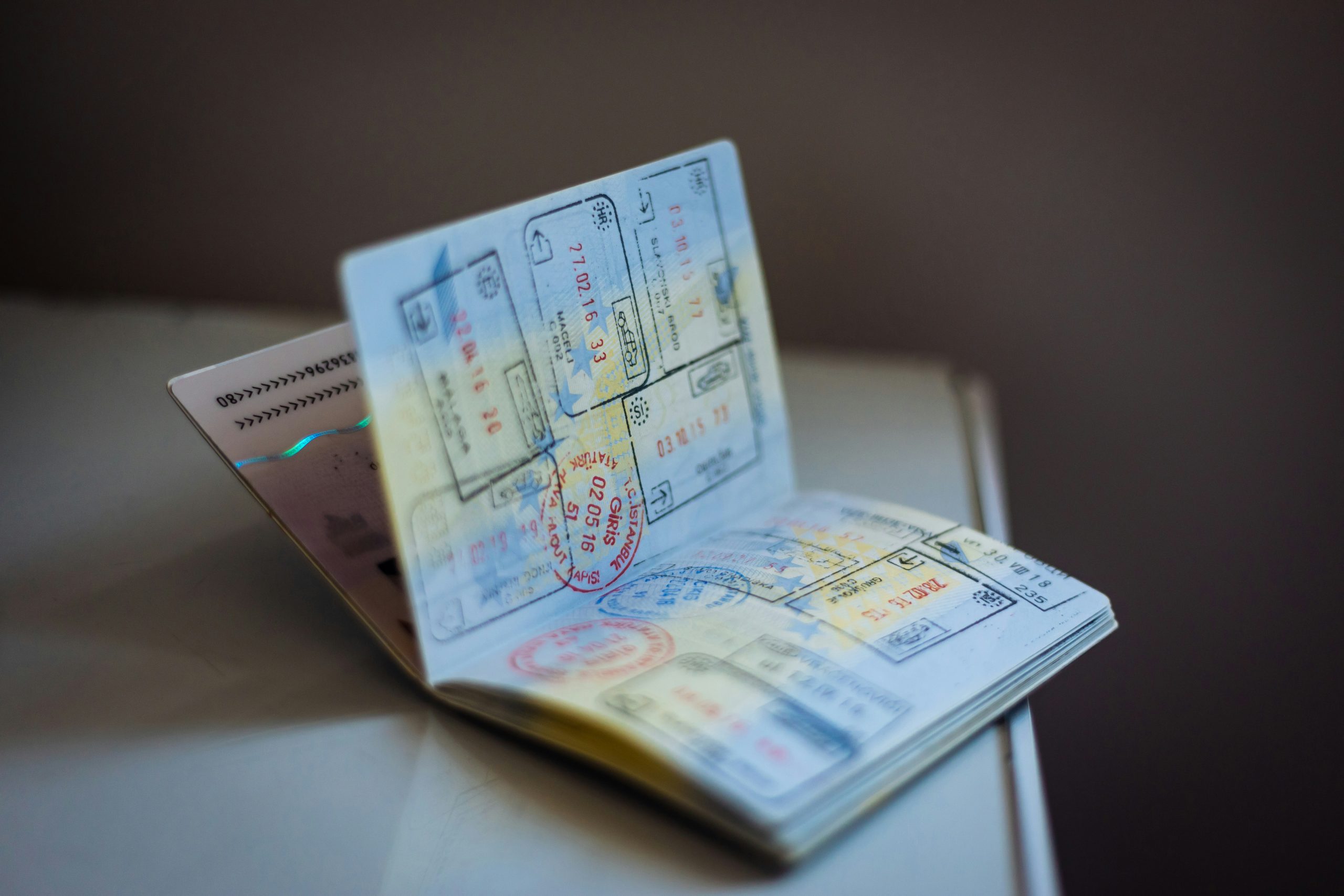
Recent warnings highlight a concerning rise in passport presentation attacks, indicating that even sophisticated travel documents may struggle to keep pace with evolving fraud techniques. As identity fraud becomes more prevalent, the security of physical and electronic passports is under scrutiny, prompting calls for enhanced countermeasures.
Europol has issued alerts regarding a growing threat from ‘presentation’ attacks and facial morphing, which can deceive automated border control systems. These sophisticated methods exploit vulnerabilities, allowing individuals to fraudulently use legitimate-looking passports, underscoring the ongoing arms race between security enhancements and criminal ingenuity.
Passport Presentation Attacks Underscore Need for Enhanced Security
The effectiveness of a passport today is measured not just by its travel permissions, but by its resilience against identity fraud. As global travel expands, so does the potential for individuals to exploit the identities these travel documents represent. This reality is amplified by the increasing sophistication of fraudulent activities.
Modern passports feature advanced security elements like embedded biometric data, electronic chips, and cryptographic protocols designed to prevent tampering. However, the relentless innovation in fraud methods means these safeguards are constantly being tested and, in some cases, circumvented. The core challenge lies in the continuous adaptation of security protocols to match these emerging threats.
The Growing Threat of Identity Fraud
The issue of document fraud, particularly related to passports, has significant implications for national security and individual safety. When fraudulent passports are successfully used, it can lead to unauthorized border crossings, facilitate criminal activities, and compromise the integrity of immigration systems.
Data from regional analyses provides some insight into the scale of the problem. A Q2 2023 regional analysis by Sumsub in the UAE found that 3.2 per cent of ID cards were counterfeit and 21.9% of passports were identified as fraudulent. While specific data from the Middle East may be limited, these figures suggest a tangible risk.
According to Jérôme Frou of Linxens Government, “The more borders a passport can cross, the more of a strategic target it becomes. It must therefore be held to a standard that matches its value.” He emphasized that the focus should be on strengthening the underlying systems of trust rather than solely adding visible security layers.
The rise in these attacks suggests that conventional measures, while robust, may not be sufficient on their own. There is a growing need for international cooperation and shared intelligence to combat these cross-border criminal operations effectively. The effectiveness of passport presentation attacks is a symptom of this wider challenge.
In response to these threats, governments and security agencies are exploring new technologies and strategies. This includes advancements in biometric verification, enhanced data analytics to detect anomalies, and more rigorous training for border control personnel. The objective is to create a multi-layered defense system that is difficult for fraudsters to overcome.
The ongoing evolution of technology means that solutions must also be dynamic. Continuous research and development into new security features and fraud detection methods are essential to maintain the integrity of travel documentation. The focus is shifting towards proactive identification and disruption of fraudulent activities.
The next steps will likely involve increased investment in advanced screening technologies at border points and revised protocols for identity verification. However, significant challenges remain in harmonizing security standards globally and sharing information rapidly. The successful mitigation of passport presentation attacks will depend on sustained vigilance and adaptation by all stakeholders.