


A bipartisan push in Congress is resurfacing to require federal agents to obtain a warrant before searching a government surveillance database for information on U.S. citizens. This renewed effort comes just four months before a critical deadline to reauthorize Section 702 of the Foreign Intelligence Surveillance Act (FISA).
While the debate over a warrant requirement for accessing U.S. citizen data within these databases is central, the political landscape surrounding FISA’s reauthorization has shifted. In contrast to two years ago, when Republicans raised concerns about then-President Biden’s administration, Democrats are now expressing worries about potential surveillance overreach under former President Donald Trump, potentially altering the dynamics of the upcoming renewal vote.
Debate Intensifies Over Warrant Requirement for FISA Database Searches
The core of the current legislative debate revolves around the search of data collected under Section 702. This provision allows the government to conduct surveillance on foreign targets without a warrant. However, it also permits warrantless searching of the collected database for information pertaining to U.S. citizens who are communicating with those foreign targets.
This specific aspect of FISA prompted a tie vote in the House in 2024 on a measure requiring a warrant for such searches. While the Reforming Intelligence and Securing America Act was eventually passed with amendments aimed at curbing surveillance abuses, proponents of stricter warrant requirements argue that this is essential for upholding Fourth Amendment protections against unreasonable searches and seizures. Opponents, including FBI Director Kash Patel, contend that such a mandate would impede national security investigations.
Assessing the Impact of Previous Reforms
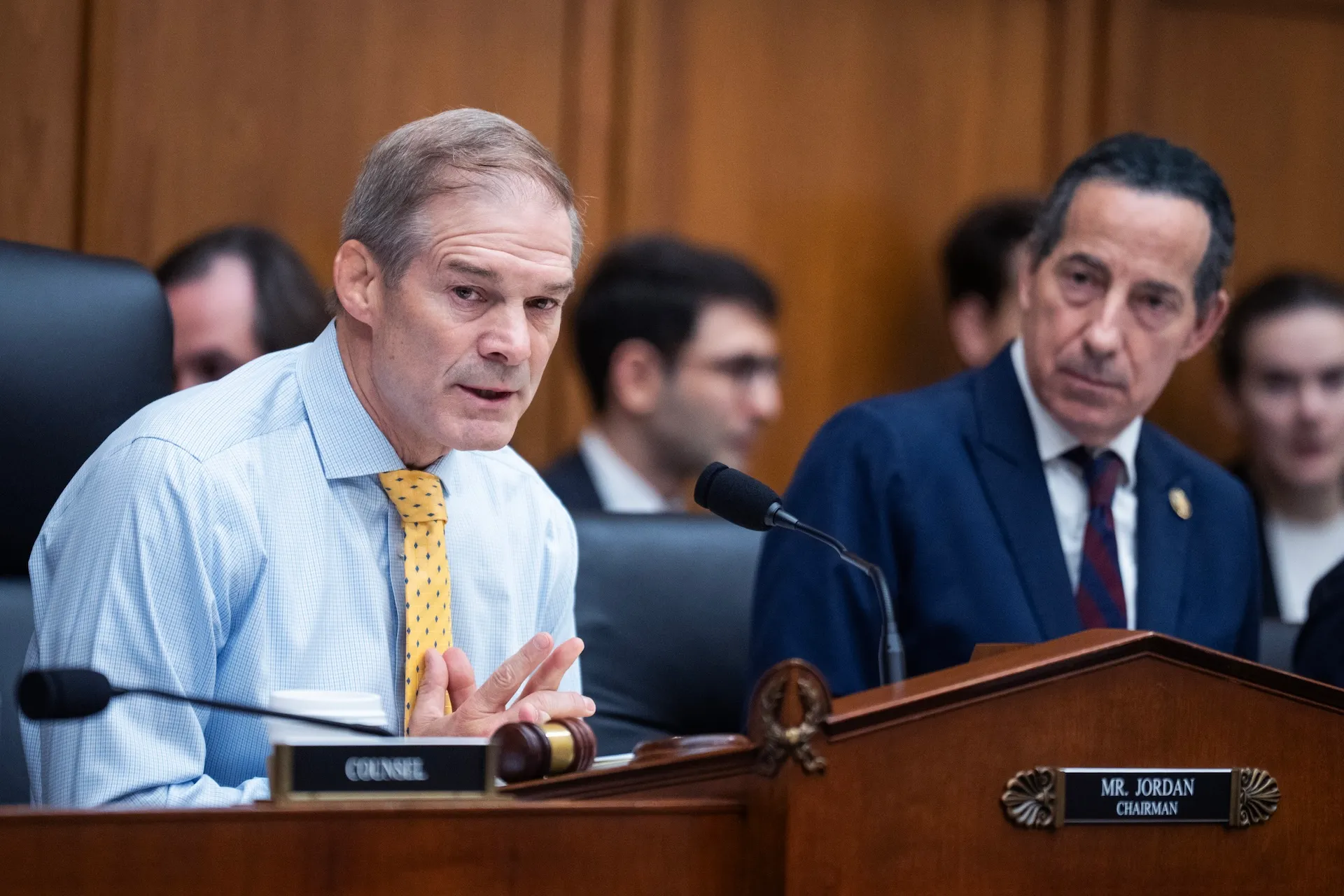
House Judiciary Chairman Jim Jordan, R-Ohio, acknowledged that the 2024 legislation included some beneficial reforms. He pointed to an October watchdog report indicating a significant decrease in warrantless U.S. person queries, from 3.4 million to approximately 9,000 in the first year the law was in effect.
However, Jordan maintains that a warrant requirement remains crucial. “If you’re going to search this database and you’re going to search using an American’s name, phone number, email address, we believe you should go to a separate and equal branch of government to do so,” Jordan stated during a House Judiciary Committee hearing. “We think that’s fundamental.”
Critics, however, question the accuracy of the reported statistics. Witnesses at the hearing suggested that the FBI has redefined what constitutes a “query” in a way that may distort the reported numbers. Gene Schaerr, general counsel for the Project for Privacy & Surveillance Accountability, explained that under the FBI’s new interpretation, processes used to sort data within the database, which necessarily involve reviewing names and identifying information, are not counted as queries.
“They only actually count as a query when they drill down on a specific individual,” Schaerr said.
Representative Andy Biggs, R-Ariz., a vocal advocate for warrant requirements, expressed concern that this redefinition makes it impossible to ascertain the true number of database queries involving U.S. citizens.
Shifting Political Dynamics for Section 702 Renewal
The upcoming reauthorization of Section 702 may face different political headwinds. With the potential return of Donald Trump seeking the presidency, Democrats might be less inclined to support the renewal of these surveillance powers without significant concessions.
Representative Jamie Raskin, D-Md., the top Democrat on the Judiciary Committee, indicated that recent surveillance activities in the U.S., including actions taken by the Trump administration to centralize databases containing U.S. citizen information, have raised serious concerns. “The landscape has changed,” Raskin commented. “We have a lot to be concerned about at this point.”
The next step in this legislative process will likely involve continued committee hearings and the introduction of specific legislative proposals addressing the Section 702 reauthorization. Lawmakers will be closely watching how these debates over privacy versus national security evolve, particularly as the April expiration date approaches, and whether significant legislative action is taken on the warrant requirement before the deadline.