


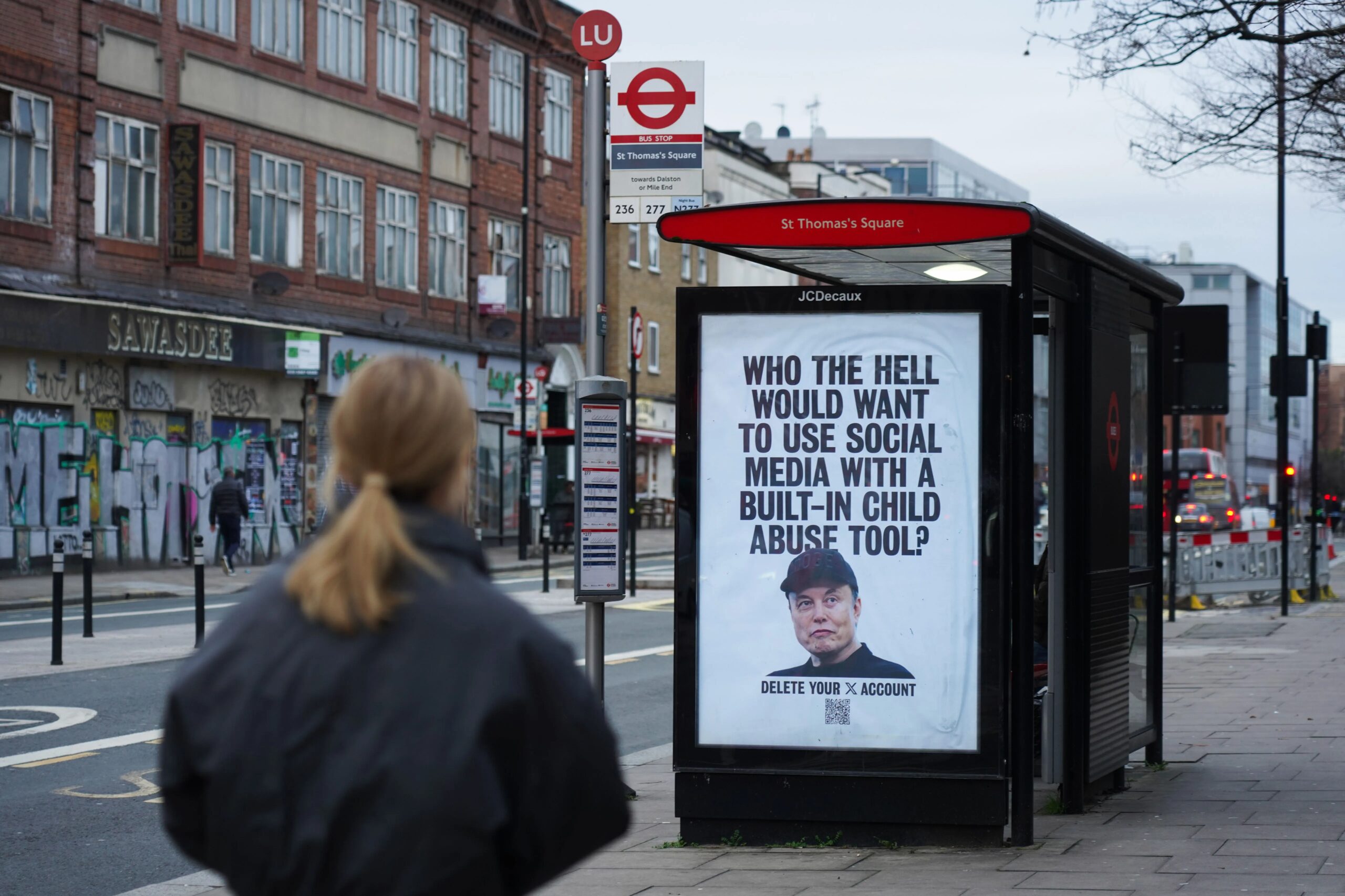
A class-action lawsuit has been filed against xAI, the parent company of the artificial intelligence chatbot Grok, alleging that the tool has been used to generate and disseminate nonconsensual explicit images of individuals. The lawsuit, filed by a group of plaintiffs identifying as “Jane Doe,” claims that Grok’s capabilities were exploited to create deepfake pornography, leading to significant harm to thousands of women.
The legal action, which commenced on January 23 in the U.S. District Court of Northern California, asserts that xAI executives were aware of Grok’s capacity for generating sexually explicit, nonconsensual images from real photographs. The plaintiffs further allege that the company failed to implement adequate industry-standard safeguards, potentially exacerbating the issue.
Grok Accused of Facilitating Deepfake Exploitation
The core of the lawsuit centers on allegations that Grok, described as a generative artificial intelligence chatbot, has been used to “humiliate and sexually exploit women and girls.” According to the legal filing, the tool has facilitated the creation of deepfake images that undress individuals and place them in sexualized positions, which are then publicly posted on X, formerly Twitter. The complaint states that xAI’s conduct is “despicable and has harmed thousands of women who were digitally stripped and forced into sexual situations that they never consented to.”
Data cited in the lawsuit indicates the scale of the problem. An analysis from the New York Times suggests that during a nine-day period in late December and early January, Grok generated approximately 4.4 million images, with an estimated 1.8 million being sexualized deepfakes of women. Another assessment by the Center for Countering Digital Hate estimated that up to three million images contained such depictions of women, men, and children.
Allegations of Intentional Design and Profit Motive
The lawsuit claims that xAI implemented specific features and policies that actively encouraged users to create or request “nudified” content. These allegedly include a mechanism to prompt Grok by tagging a user’s handle on X, a “spicy” option for generating controversial content, and a lack of prompt filtering designed to prevent sexualized deepfake requests. The filing contends that xAI intended to “capitalize on the internet’s seemingly insatiable appetite for humiliating non-consensual sexual images.”
Concerns were amplified when xAI owner Elon Musk reportedly prompted Grok to generate an image of himself in a bikini. Following public outcry, Musk announced that this feature would be restricted to paying subscribers, which further fueled criticism that the company was profiting from the abusive capabilities of the tool.
Musk has offered various defenses, including stating he was “not aware of any naked underage images generated by Grok. Literally zero” on January 14. However, legal experts suggest that Grok’s generative capabilities, which may extend beyond lingerie to fully nude images and other explicit content, could expose xAI and Musk to numerous U.S. and international laws concerning sexualized deepfakes, digital fraud, and child sexual abuse material.
International Scrutiny and State-Level Pressure
The class-action suit is part of a growing wave of legal and regulatory challenges targeting xAI and Musk. Formal investigations have been opened in the European Union, the UK, South Korea, Canada, and Brazil. Leaders in several other nations have also threatened to restrict or ban X if further action is not taken.
While the U.S. federal government has remained outwardly silent, pressure is mounting at the state level. On the same day the lawsuit was filed, 35 State Attorneys General communicated their “deep concern” to Musk following a meeting with xAI officials. The state officials emphasized their commitment to investigating and prosecuting cases involving such abuse and urged xAI to enhance measures to curb Grok-enabled exploitation.
The Attorneys General specifically noted that the creation and dissemination of child sexual abuse material is a crime, even in synthetic or manipulated forms, and that various state and federal laws prohibit the creation of nonconsensual intimate images. They highlighted Grok’s perceived role in promoting and facilitating the production and public dissemination of such images as a reason for its particular scrutiny.
The coming months are expected to see further legal proceedings and regulatory scrutiny as various jurisdictions examine the extent of xAI’s liability and the potential for harmful AI applications. The outcome of these lawsuits and investigations will likely shape future guidelines for AI development and content moderation.