


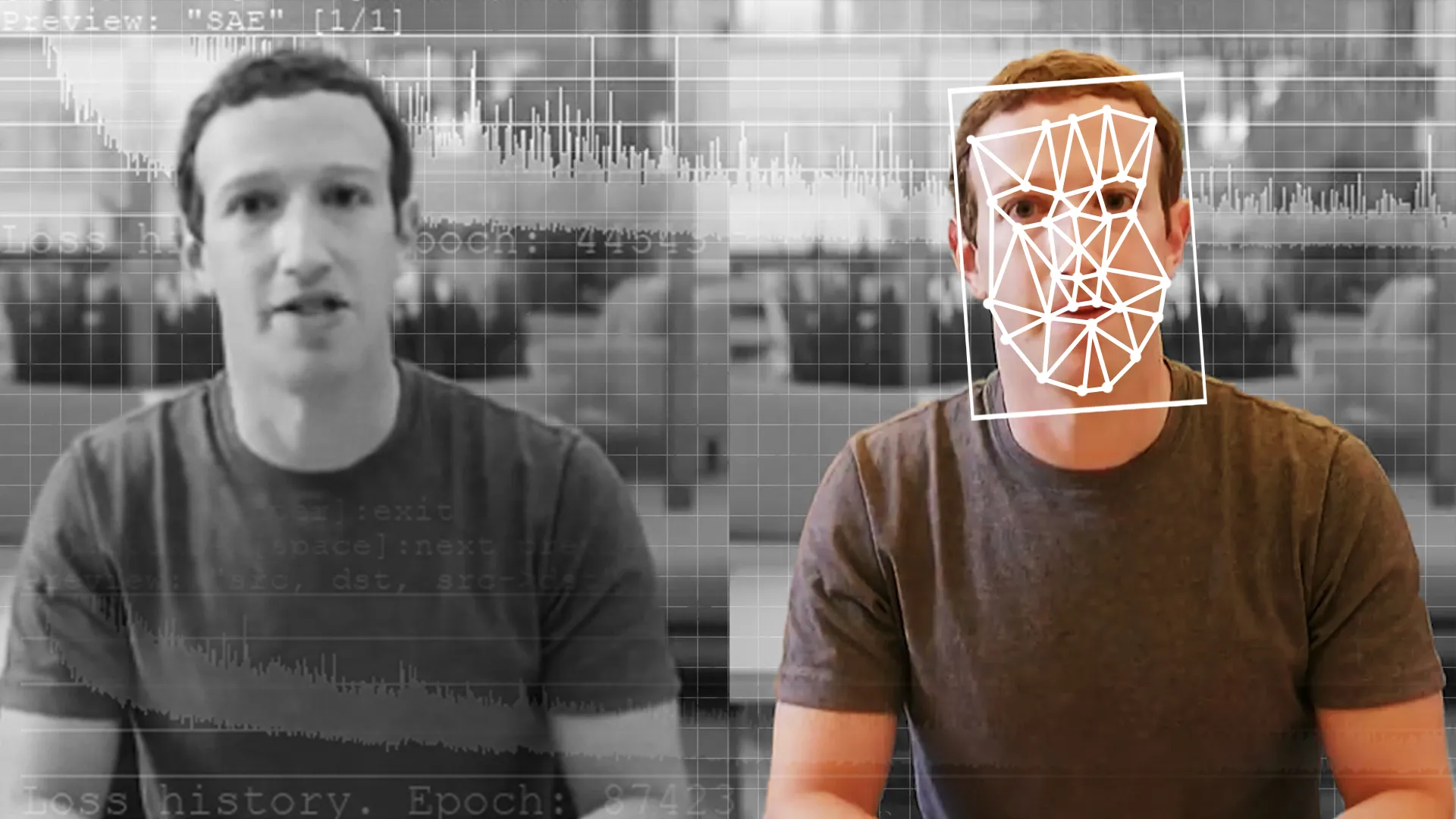
The Senate Judiciary Committee has approved the NO FAKES Act, a new bill aimed at protecting American artists, performers, and public figures from unauthorized AI-generated deepfakes. The legislation, which passed through a committee voice vote, grants individuals near-exclusive rights to their digital replicas. However, concerns remain that the bill could inadvertently stifle free speech.
Introduced by Sens. Chris Coons, D-Del., and Marsha Blackburn, R-Tenn., the NO FAKES Act would establish a national standard for voice and visual likeness protection. It grants individuals ownership over their AI-generated images and voices for their lifetime and for at least 70 years after their death. This aims to address the growing proliferation of harmful AI-generated content created without consent.
Protecting Artists and Public Figures from Deepfakes
The rapidly advancing capabilities of consumer-grade AI tools have made it increasingly easy to create convincing deepfakes. These sophisticated manipulations have been used for malicious purposes, including the creation of nonconsensual pornography, child sexual assault material (CSAM), and for blackmail or personal humiliation. The bill seeks to provide a legal framework to combat these emerging threats.
Artists have particularly felt the impact of AI’s rise, facing challenges in controlling their digital likeness. Complaints to organizations like the Better Business Bureau have surged regarding AI-celebrity endorsement scams. These scams have featured deepfakes of well-known personalities promoting products or soliciting donations without their authorization.
In the political sphere, deepfakes are being employed to spread disinformation. Candidates have used them to misrepresent opponents, while malicious actors have disseminated AI-generated videos and images of politicians making scandalous statements or engaging in compromising situations. This rise in deepfake technology poses a significant challenge to public discourse and trust.
State-Level Protections and the NO FAKES Act
The NO FAKES Act represents a significant federal effort to safeguard the digital commercial rights of creators and public figures. This legislative push follows actions by some states. New York recently enacted a law requiring disclosure of deepfake use in advertisements, though it does not establish a broad copyright regime for likenesses. Tennessee’s ELVIS Act, passed earlier this year, prohibits unauthorized voice and likeness use and holds platforms liable for distributing such content.
The proposed legislation allows individuals to take legal action against unauthorized AI-generated image usage, with potential penalties of up to $750,000 per violation. Support for the bill has been garnered from over 40 organizations, including the Screen Actors Guild – American Federation of Television and Radio Artists, the American Medical Association, and the Human Artistry Campaign.
Concerns Regarding Free Speech and Implementation
Despite its aims, the NO FAKES Act faces opposition from a coalition of tech companies and digital rights organizations. These groups contend that the bill may not adequately balance artists’ commercial rights with First Amendment protections for free speech and parody. They express worries that the legislation could become a tool for censorship.
Amy Bos, vice president of government affairs at NetChoice, stated that while her organization supports efforts to prevent unauthorized deepfakes, the bill’s current wording could lead to over-removal of lawful content and create significant burdens for creators. Digital civil liberties groups, including the American Civil Liberties Union and the Electronic Frontier Foundation, have urged the committee to oppose the bill in its present form.
Critics argue that the bill could create a “Heckler’s veto” effect, enabling individuals to flood notification systems with takedown requests for content they dislike, similar to the Digital Millennium Copyright Act. This approach, they warn, could suppress legitimate uses of AI technology, such as educational content, humor, satire, and parody.
The coalition points to examples like the viral AI-generated image of Pope Francis in a Balenciaga jacket, suggesting that such content could be deemed illegal under the NO FAKES Act for decades. They also highlight instances of political figures using AI deepfakes themselves, raising questions about their position on such regulations.
The groups have called for narrowly tailored solutions that address genuine gaps in existing law, rather than enacting broad restrictions that could harm lawful speech. They have offered to assist in developing such alternative approaches.
During the Senate markup, both Republican and Democratic committee members voiced similar concerns, indicating a desire for further amendments. Senator Coons, however, defended the bill, asserting that modifications made prior to the markup adequately address First Amendment considerations by specifically carving out protections for parody, satire, documentaries, and newscasts, along with established counter-notification processes and exemptions for libraries and archives.
The bill’s future journey through the Senate and potential House passage remains to be seen. Legislators are expected to continue grappling with the balance between protecting individuals’ digital likeness and preserving freedom of expression in the evolving landscape of AI technology. Further debate and potential amendments will be critical in shaping the final legislation.